Professional illustration about Poinsettia
What Is a Poinsettia Pot?
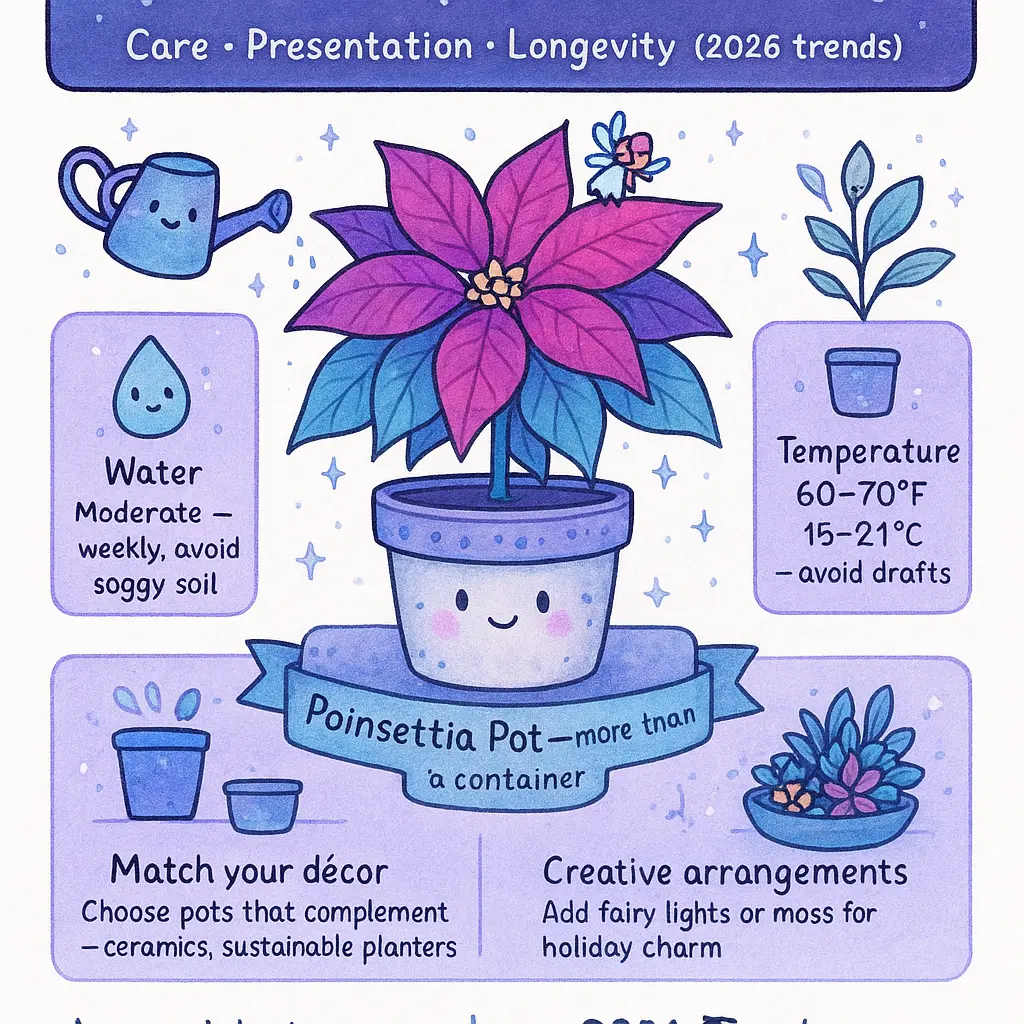
A Poinsettia pot is more than just a container for one of the most iconic Christmas flowers—it’s a key element that influences plant care, aesthetic presentation, and even the longevity of your holiday plants. In 2026, with fresh trends in floral arrangement and growing interest in indoor plants, the poinsettia pot is being reimagined for versatility and style. Traditionally, a poinsettia pot refers to the decorative or functional vessel used to house live poinsettia plants, which are beloved for their vibrant red, white, or pink bracts during the holiday season. These pots are available in a wide range of materials, including ceramic, terracotta, plastic, and even eco-friendly options, making them suitable for different environments, from tabletop arrangements at home to gift baskets designed for flower delivery or corporate gifting.
When selecting a poinsettia pot, it’s crucial to consider both plant care and visual impact. Poinsettias, like many seasonal plants, thrive best in pots that offer adequate drainage, preventing root rot and ensuring healthy foliage. Many flower shops and online flower ordering services now offer poinsettia pots with built-in drainage trays or stylish cachepots that double as part of the overall floral arrangement. For those interested in plant care tips, choosing the right pot size is also essential—a pot that’s too small can restrict root growth, while an oversized pot may retain too much moisture, leading to unhealthy live plants. Experienced florists recommend pots that complement the plant’s size, typically ranging from 6 to 10 inches in diameter for standard poinsettia varieties.
Beyond basic function, the poinsettia pot has evolved into a statement piece for holiday floral arrangements and gift plants for holidays. For example, wedding flowers featuring poinsettias often utilize elegant, decorative pots that match the event’s theme, incorporating elements like gold accents or rustic wood finishes. Sympathy flowers and floral subscriptions may include poinsettia pots designed for easy maintenance and long-lasting freshness, appealing to those who want indoor flowering plants without the hassle. In 2026, dried florals and foliage plants are also paired with poinsettia pots for creative, long-lasting bouquets that add warmth to homes and offices year-round.
Flower delivery services and wholesale flowers suppliers recognize the demand for customizable poinsettia pots, offering add-ons such as personalized messages, ribbons, and seasonal decor. This trend allows customers to order flowers online and create unique gift baskets for Christmas, birthdays, or other special occasions. The best-selling flowers this season frequently include poinsettias arranged in modern, minimalist pots, reflecting current tastes for clean lines and sustainable materials. Floral supplies have expanded to include options for tabletop arrangements, hanging displays, and even self-watering systems, making plant care easier than ever for busy plant parents.
For those seeking practical advice, here are a few pointers for maximizing the impact of your poinsettia pot:
Material matters: Ceramic and terracotta pots provide stability and help regulate soil moisture, while plastic pots are lightweight and cost-effective for large-scale floral gifts. Drainage is essential: Always ensure your pot has proper drainage holes, especially for live plants and indoor flowering plant arrangements. Design for versatility: Opt for pots that match your decor or the occasion—holiday plants look stunning in festive red or gold pots, while sympathy flowers may be best presented in neutral tones. Size for success: Match the pot size to your poinsettia’s root ball, allowing enough room for growth without excessive empty space that can lead to overwatering.
In flower shops across the country, the poinsettia pot remains a staple for floral gifts, wedding floral consultation, and seasonal plant displays. Whether you’re looking for the perfect vessel for your holiday centerpiece or seeking a thoughtful floral gift for a loved one, understanding what a poinsettia pot is—and how it enhances plant care, presentation, and delivery—will help you make the best choice for every occasion this year.
Professional illustration about Christmas
Best Pot Sizes for 2026
When choosing the best pot sizes for Poinsettia in 2026, it’s important to consider not just aesthetics but also optimal plant health and versatility across occasions like Christmas gatherings, wedding flowers, and even sympathy flowers. Over the past year, leading flower shops and floral arrangement professionals have seen a shift in consumer preferences, with more customers requesting live plants and holiday plants for fresh, long-lasting décor. For Poinsettia, selecting the right pot size directly impacts growth, bloom longevity, and how well the plant fits into various gift baskets or indoor plant displays.
Standard Pot Sizes in 2026
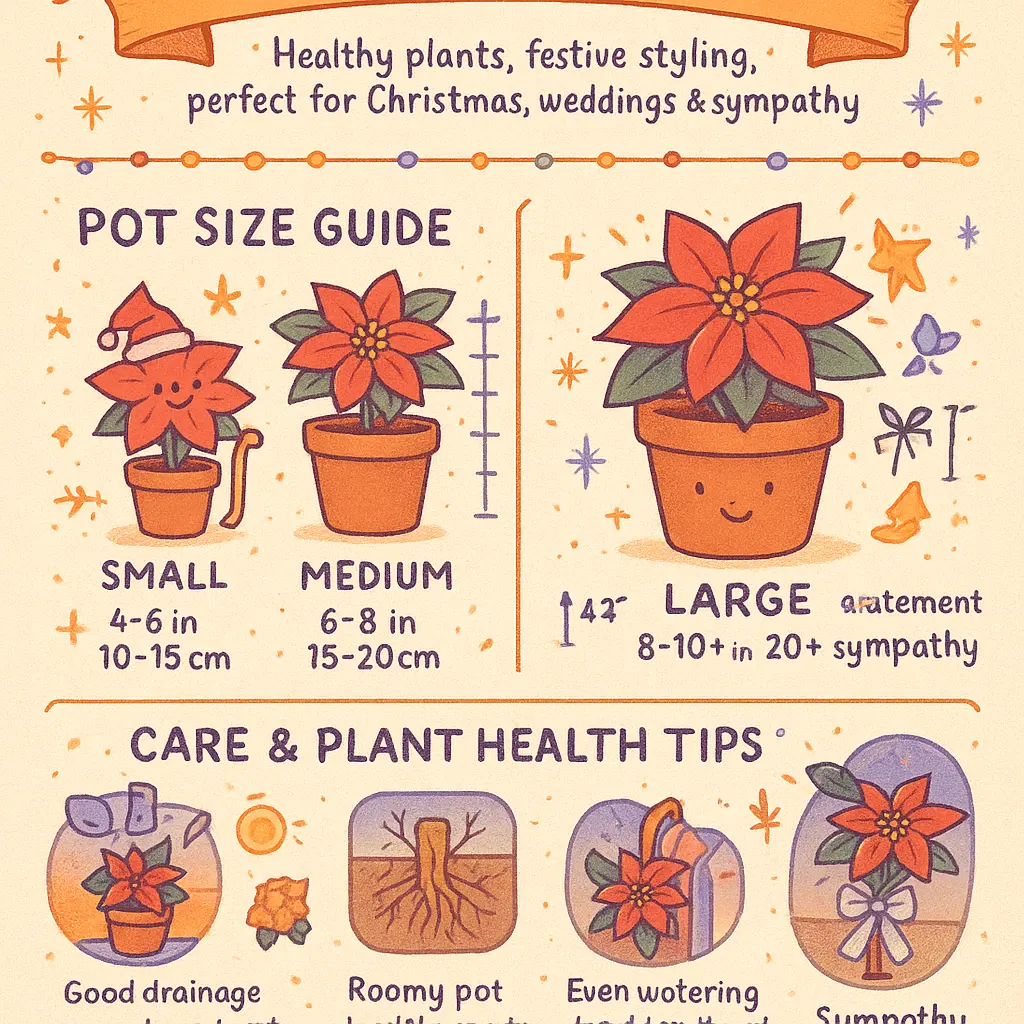
The most frequently recommended pot sizes for Poinsettia now range from 6-inch to 10-inch diameters. A 6-inch pot is ideal for compact tabletop arrangements, personal gift baskets, and small floral gifts—perfect for desks, smaller dining tables, or as a cheerful addition to a sympathy flowers collection. Floral subscription services and online flower ordering platforms have reported that the 6-inch option continues to be a best-seller for individual customers and corporate holiday floral arrangement orders, due to its convenient size and ease of plant care.
For more dramatic statements, such as wedding floral consultation designs or centerpiece displays for holiday parties, florists are increasingly opting for 8-inch to 10-inch pots. An 8-inch pot provides ample space for the Poinsettia’s roots, supporting more robust growth and lusher foliage—making it a great choice for fresh flower arrangements that need to impress throughout the season. The 10-inch size is recommended for customers looking for a showstopper piece in a live plant display, whether for a wedding flower delivery, a sympathy gift, or to anchor a commercial tabletop arrangement in a business lobby.
Plant Care Tips Based on Pot Size
Smaller pots (6-inch) are favored for their portability and suitability within gift plants for holidays, but they do require more frequent watering and attention to root health. Plant care specialists suggest using high-quality floral supplies like well-draining soil and pots with adequate drainage holes, especially when sending Poinsettias through a flower delivery service. This ensures that even with same day flower delivery, the plant arrives vibrant and healthy, ready to brighten any home or office.
Larger pots (8-inch and above) provide more space for root development and reduce the frequency with which you need to water your Poinsettia, making them a smart choice for customers ordering indoor flowering plants for extended holiday or seasonal plants displays. With larger containers, there is less risk of the plant becoming root-bound, which helps maintain lush foliage and intense coloring—key attributes for Christmas flowers and other festive arrangements.
Integrating Pot Size with Floral Design and Functionality
Floral designers and wholesale flower suppliers in 2026 are increasingly customizing pot sizes to match the intended use of Poinsettias. For example: - Wedding Flowers & Event Decor: 8-inch and 10-inch pots are commonly integrated into large bouquets or foliage plant arrangements, providing visual impact and stability. - Personalized Gift Baskets: The 6-inch pot size is tailored for inclusion in curated floral gifts, often paired with dried florals or mini orchids for variety and depth. - Sympathy Flowers & Memorial Arrangements: Pot size is selected both for display longevity and ease of transport; 8-inch pots offer a balance between size and maintainability, making them popular with flower shops and same day flower delivery providers.
Trends and Consumer Preferences in 2026
Consumer trends indicate a rising interest in sustainable and reusable floral supplies, with many customers choosing ceramic or eco-friendly pots that can be repurposed after the holiday season. Poinsettia in 6-inch and 8-inch pots are especially popular for floral subscriptions, allowing for easy integration into rotating seasonal arrangements without overwhelming the space.
Additionally, hybrid arrangements—where Poinsettias are paired with orchids, dried florals, or other foliage plants in mixed pot sizes—are on the rise. This trend encourages creative floral arrangement possibilities, whether for a fresh flower centerpiece at a Christmas party or a heartfelt sympathy arrangement. As a result, flower shops and online flower delivery services often recommend pot sizes based on both aesthetics and practical plant care considerations, ensuring that customers receive both beauty and longevity in their floral gifts.
In summary of practice: Always consider where and how your Poinsettia will be displayed when choosing pot size. For intimate settings or gift baskets, 6-inch pots are the go-to in 2026. For more prominent displays, events, or commercial use, 8-inch or 10-inch pots are preferred for their visual appeal and ease of plant care. By aligning the pot size with your specific needs—whether for holiday plants, sympathy flowers, or wedding floral arrangements—you maximize both the beauty and durability of this iconic seasonal plant.
Professional illustration about Basket
Choosing Pot Materials
When it comes to choosing the best pot materials for your poinsettia, the decision goes well beyond aesthetics. The right container not only transforms your Holiday Plants into a true centerpiece—be it for Christmas, a Gift Basket, or a Tabletop Arrangement—but also plays a crucial role in plant care, directly impacting root health, moisture retention, and even longevity. In 2026, as eco-friendly products and contemporary designs continue to trend in flower shops and online flower ordering platforms, understanding the pros and cons of various pot options will elevate both your home décor and your plant’s well-being.
Common Pot Materials and Their Impact on Poinsettia Care
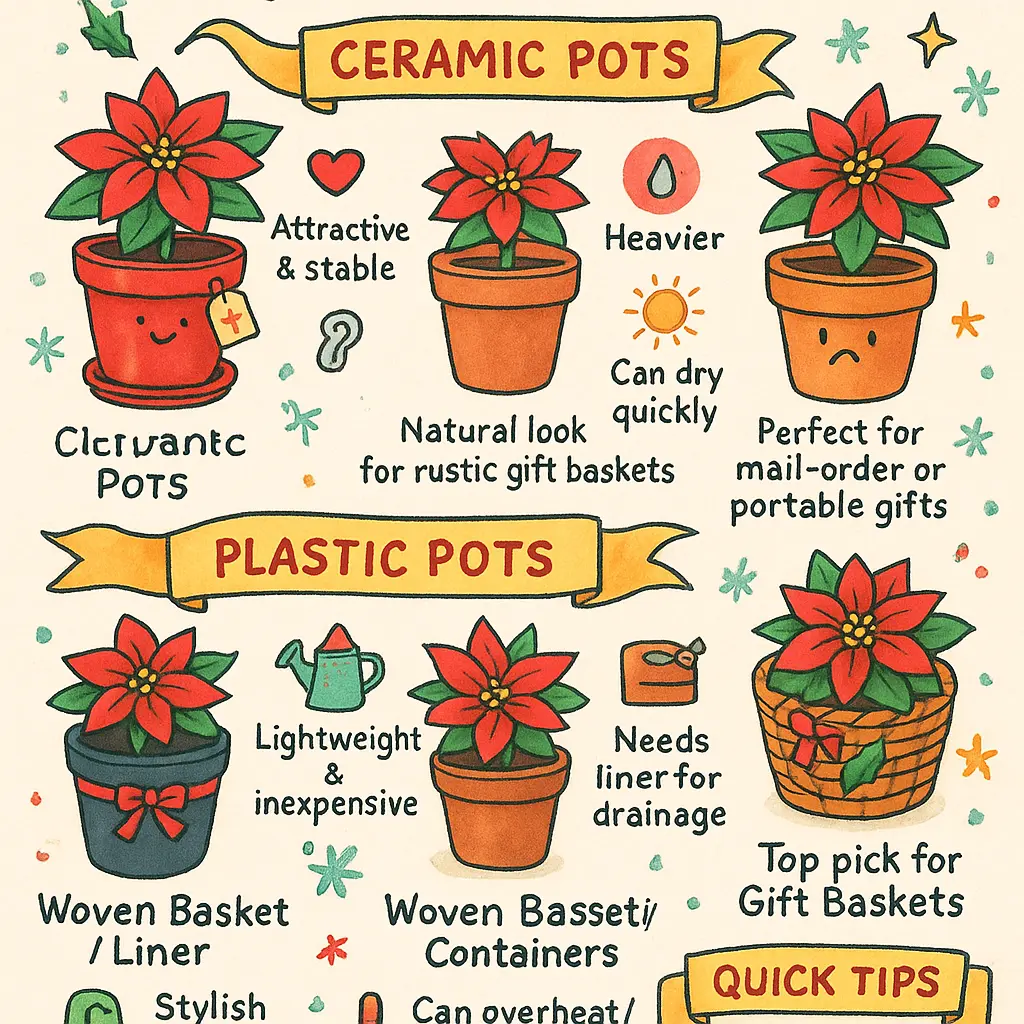
Ceramic pots remain a top choice for many, particularly in floral shops and for Christmas Flowers. They come glazed or unglazed. Glazed ceramics are perfect for those wanting a polished look, ideal for a wedding floral consultation or sympathy flowers arrangement. They help retain moisture, which is great if you’re often away or using a floral subscription for regular plant delivery. However, ensure proper drainage holes since poinsettias dislike soggy roots—a crucial Plant Care Tip. Unglazed ceramics (like terracotta) allow for better air and moisture movement, reducing the risk of overwatering, but tend to dry out quicker, requiring more frequent watering.
Plastic pots are popular due to their affordability, lightweight nature, and durability—a frequent pick for flower delivery service and same day flower delivery. They are hassle-free for busy lifestyles or when you order flowers online for gift plants for holidays. However, they can trap heat—especially near sunny windows—so monitor soil moisture closely. Look for BPA-free options in 2026, as many flower shops and floral supply companies now prioritize non-toxic, recyclable plastics. Plastic is also an excellent choice if you’re giving live plants or indoor flowering plants as floral gifts, as they're less likely to break during transport.
Metal pots—while stylish for modern indoor plants and trending for best selling flowers—should be used with caution. Metal can heat up rapidly and may affect root temperature, particularly near radiators or in direct sunlight. Use these for short-term flower arrangements or as decorative outer cachepots rather than the main growing container. A popular 2026 trend in sympathy flowers and holiday floral arrangement is pairing metal cachepots with an inner plastic liner for both beauty and function.
Wooden containers offer a warm, rustic touch, fitting for modern dried florals or fresh foliage plants in a seasonal plant arrangement. They need to be lined properly to prevent moisture damage and rot. Cedar and redwood are especially long-lasting, and many wholesale flowers suppliers now offer sustainable wooden planters for large-scale events like wedding flowers or sympathy displays.
Biodegradable pots (like recycled paper pulp or coconut fiber) have skyrocketed in popularity, reflecting the eco-conscious movement in 2026 floral arrangements and indoor plant trends. These are a superb option if you prefer to repot your poinsettia after the holiday season or want to minimize waste. They’re also well-suited for floral subscription services, where disposable yet eco-friendly packaging is a plus.
Practical Tips for Picking the Perfect Pot:
- Drainage matters: Regardless of material, always choose pots with adequate drainage. Waterlogged soil is a common culprit in poinsettia decline.
- Pot size: Select a container only slightly larger than the plant’s root ball. Oversized pots hold excess moisture, increasing risk of root rot, while too-small pots hinder healthy growth.
- Weight considerations: Heavier materials (like ceramic) are ideal for tabletop arrangements or floor displays. Lightweight options (plastic or biodegradable) work best for hanging planters or when frequent relocation is needed.
- Style and occasion: For festive displays or wedding flowers, match pot style to the event—glossy ceramics for elegance, woven baskets for warmth, or minimalist plastics for contemporary appeal.
Examples in Real Life Scenarios:
Imagine sending a poinsettia as part of a holiday gift basket via a flower delivery service. Plastic pots ensure safe transit and a long-lasting, fresh appearance, ticking boxes for both convenience and modern style. Alternatively, if you’re ordering from a wholesale flowers provider for a large Christmas event, ceramic pots in vibrant, seasonal colors make the floral arrangement pop, serving as both décor and functional plant care vessels.
For those keeping poinsettias as indoor plants year-round, a well-draining terracotta pot paired with a chic decorative wooden cachepot combines function and style—easy to move, healthy for the plant, and trendy for 2026 interiors.
Ultimately, your choice of pot material can transform a simple live plant into an unforgettable floral gift, complimenting everything from sympathy flowers to best selling flowers in every corner of your home or event. Thoughtful selection not only enhances aesthetic appeal but ensures optimal long-term plant care, whether as part of a same day flower delivery or a lovingly curated tabletop arrangement.
Professional illustration about Plant
Self-Watering Poinsettia Pots
If you’re searching for a way to keep your Poinsettia healthy and vibrant during the holiday season and beyond, self-watering poinsettia pots have become a game-changer for indoor plant enthusiasts in 2026. These innovative pots offer a range of benefits, especially for busy people juggling Christmas preparations, planning wedding flowers, or managing a flower shop’s inventory of holiday plants and sympathy flowers. Unlike standard containers, self-watering pots feature a reservoir system that delivers consistent moisture to your live plants, ensuring your poinsettia stays lush without the risk of root rot or wilting—an issue that often plagues holiday floral arrangements when neglected.
How Self-Watering Pots Work for Poinsettia Plant Care
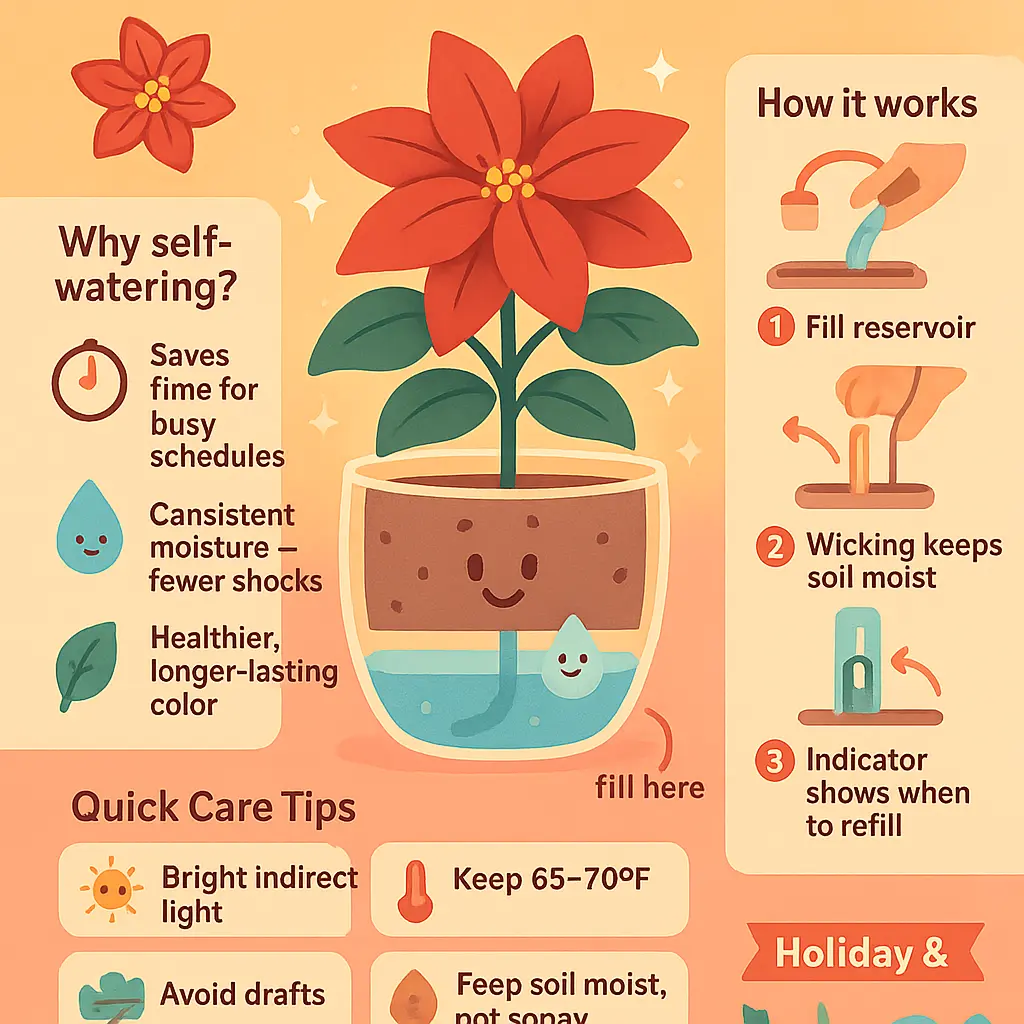
Self-watering pots use a wicking mechanism that draws water from a hidden reservoir to the plant’s roots as needed. This approach is particularly effective for poinsettias, which require steady moisture but dislike sitting in soggy soil. Many florists and home gardeners are switching to these pots for their orchids, foliage plants, and especially their poinsettias, helping them maintain fresh flowers and vibrant color throughout the entire season. If you’re assembling a gift basket with Christmas flowers or sending a tabletop arrangement via same-day flower delivery, choosing a self-watering container ensures your recipient won’t have to worry about daily plant care.
Advantages for Flower Shops and Floral Arrangements
For flower shop owners and wholesale flower suppliers, self-watering poinsettia pots are a practical solution to maintaining the quality of holiday plants in a busy retail environment. They reduce labor by minimizing the need for frequent watering, which is essential during high-traffic times like Christmas, weddings, or when fulfilling sympathy flower orders. Arrangements featuring live plants in self-watering pots stay fresher longer, offering greater value to customers who order flowers online or subscribe to a floral subscription service for seasonal plants and bouquets. Plus, the consistent hydration helps poinsettias keep their iconic red and green leaves, making every bouquet or gift plant for holidays stand out as a best-selling flower option.
Tips for Using Self-Watering Pots with Holiday and Sympathy Flowers
To get the most out of self-watering pots for your poinsettias, florists recommend checking the reservoir every week, especially if the plant is part of a large flower arrangement or a wedding floral consultation display. Adding a layer of dried florals or decorative stones on top of the soil can enhance the look for special occasions like weddings, holiday gatherings, and sympathy flowers, while also helping to retain moisture for longer periods. If you’re ordering flowers online or using a flower delivery service, request self-watering options—many shops now offer them for fresh flowers, ensuring your indoor flowering plants arrive ready to thrive.
Real-World Examples in 2026
Modern flower shops and online retailers have embraced self-watering pots in their floral supplies inventory, responding to increased demand for plant care tips and sustainable solutions. Seasonal plants like poinsettias, orchids, and foliage plants are now regularly available in these specialized containers. For instance, a popular flower delivery service in New York reports that their holiday floral arrangement orders featuring poinsettias in self-watering pots have reduced complaints about drooping or yellowing leaves by nearly 50%. This shift has made self-watering pots a staple for tabletop arrangements, sympathy flowers, and floral gifts, supporting both novice and experienced plant lovers alike.
Maintenance Advice for Poinsettia Owners
When caring for your poinsettia in a self-watering pot, make sure to use high-quality soil designed for indoor flowering plants, which promotes healthy root growth and proper water absorption. Avoid overfilling the reservoir to prevent excessive moisture, and periodically flush the system to eliminate any fertilizer buildup. If you’re purchasing holiday plants for your own home or as a floral gift, ask the flower shop for best practices tailored to poinsettias—some shops offer free plant care consultations or digital guides for effective floral arrangement maintenance.
Why Self-Watering Is Essential for Floral Gifts and Arrangements
Whether you’re designing a wedding bouquet or sending a sympathy arrangement, self-watering pots bring peace of mind to both sender and recipient. Their ability to keep poinsettias and other live plants consistently hydrated means your floral arrangements will remain beautiful for weeks, reducing stress and enhancing the overall experience of giving and receiving flowers. As more people order flowers online and rely on best-selling flowers for seasonal gifting, self-watering pots are quickly becoming the preferred choice for hassle-free plant care and long-lasting floral displays.
Professional illustration about Wedding
Decorative Pot Trends
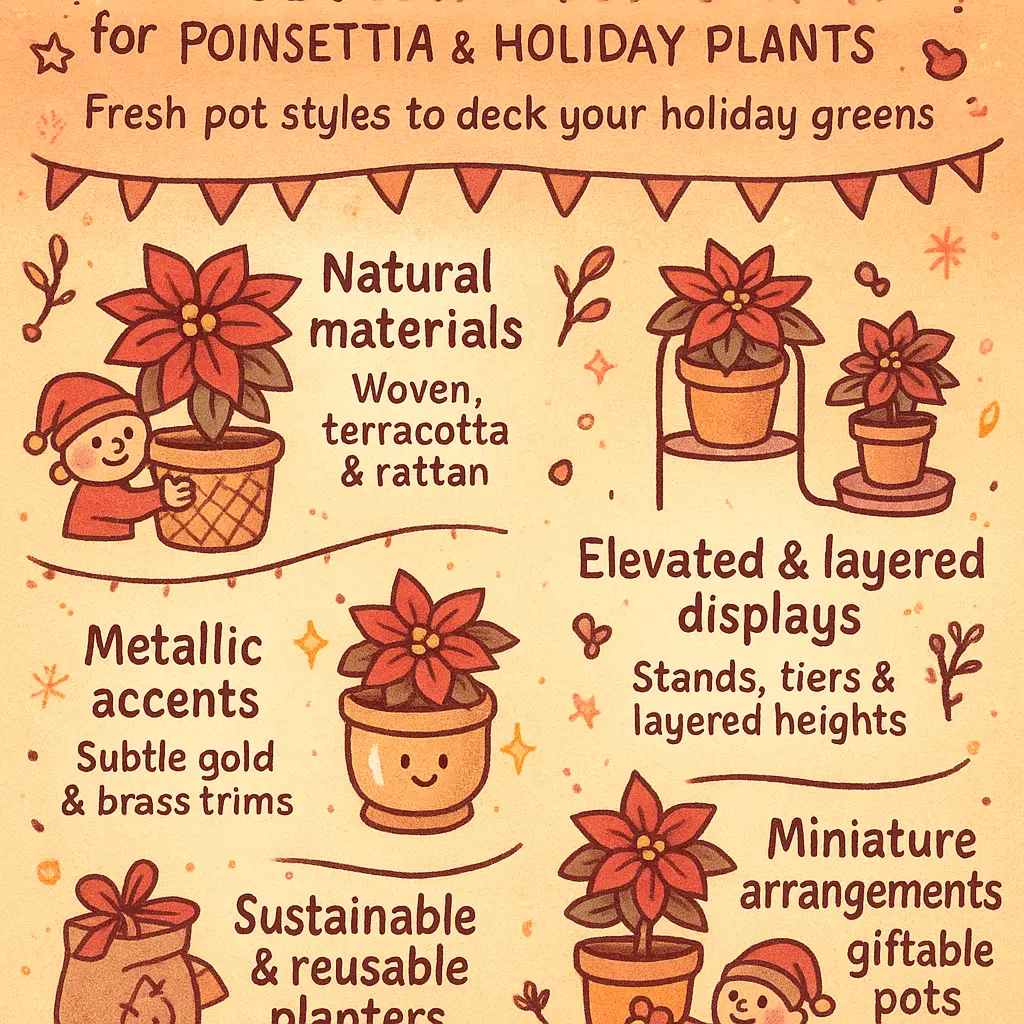
Decorative Pot Trends for Poinsettia and Holiday Plants
When it comes to decorative pot trends for Poinsettia and other holiday plants in 2026, shoppers and designers alike are seeking options that not only showcase the vibrant colors of Christmas flowers but also complement evolving interior décor styles. This year's flower shops are witnessing a surge in demand for pots that blend classic festive motifs with bold, modern aesthetics. Think matte finishes, geometric shapes, and earth-toned glazes alongside traditional reds and golds. For those considering Gift plants for holidays, a thoughtfully chosen pot can elevate a simple holiday plant into an eye-catching centerpiece or a cherished floral gift.
Plant care is a top concern for many, and today's best-selling pots are designed with both aesthetics and functionality in mind. Self-watering containers and breathable ceramic pots are gaining traction—especially among those selecting indoor plants like Poinsettia, Orchid, or Foliage Plants for their living spaces or tabletop arrangements. Specialized flower shops are curating collections featuring floral supplies such as eco-friendly planters, which cater to environmentally conscious customers and support plant health. Indoor flowering plant enthusiasts are able to order flowers online with the option to pair their blooms with stylish and practical pots that encourage longevity and easy plant care.
Sympathy Flowers and Wedding Flowers arrangements also benefit from the latest pot trends. For wedding floral consultation and custom floral arrangements, elegant metallic pots, textured stoneware, and minimalist white or pastel containers are frequently chosen for their versatility in both formal and relaxed settings. These decorative choices reflect a movement toward personalization—a trend particularly prominent in 2026's floral industry. Florists and gift basket creators assemble live plants and dried florals into curated packages nestled in baskets or ornate vessels to ensure that every component shines, whether delivered via same day flower delivery or presented at an event.
For those who want to make a seasonal statement, flower delivery services offer holiday floral arrangements in limited-edition pots, including hand-painted terra cotta, upcycled wood, and artisan-crafted metal. These containers become keepsakes long after the holiday season, adding sentimental value to each fresh flower bouquet or festive arrangement. Wholesale flowers, once reserved for professional floral designers, are now accessible to home decorators who want to craft their own tabletop arrangements with unique pot pairings.
Practical Pot Selection Tips for 2026: - Consider Drainage: Look for pots with built-in drainage to support plant health, especially vital for live plants like Orchids and Poinsettias. - Material Matters: Ceramic and clay pots remain popular for their breathability and classic look, while recycled plastic and composite materials offer lightweight durability. - Size and Shape: Match pot dimensions to your plant—holiday plants with lush root systems thrive in wider, deeper vessels, perfect for fuller bouquets or tabletop displays. - Design Harmony: Complement your existing décor with pots that feature trending palettes (sage green, terracotta, copper) or patterns like marbling and etched metallics. - Seasonal Versatility: Opt for pots that transition easily from Christmas to other seasonal plant displays, so your investment has year-round appeal.
As floral gifts and holiday plants continue to be a favorite for celebrations and sympathy occasions, the decorative pot trends of 2026 reflect a blend of sustainability, personalization, and style. A well-chosen pot enhances the beauty of Poinsettia, boosts the impact of flower delivery, and delivers joy with every blooming indoor plant or carefully arranged bouquet—making your floral arrangements truly memorable.
Professional illustration about Arrangement
Drainage Tips for Poinsettias
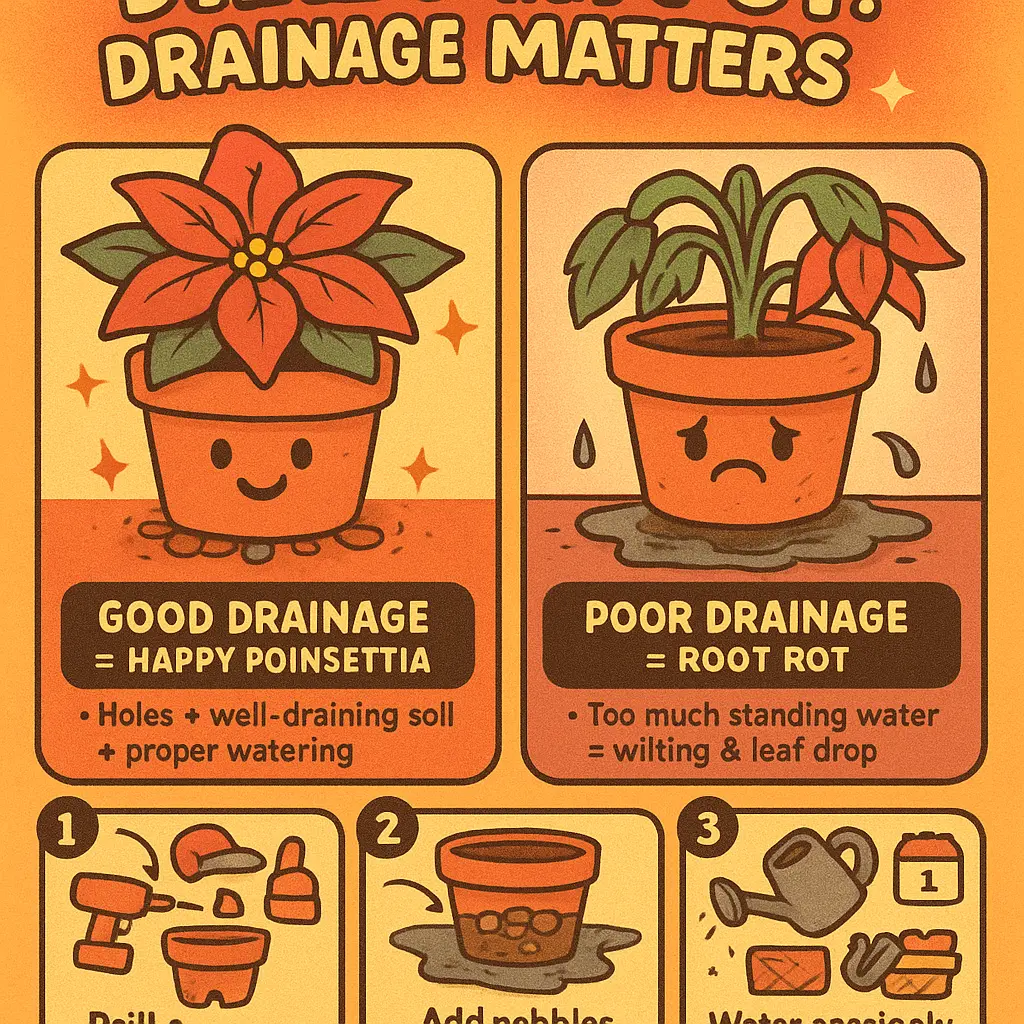
Drainage plays a critical role in Poinsettia plant care, especially if you want your holiday plants to thrive well beyond Christmas. Whether you’re selecting a poinsettia for a tabletop arrangement at a festive dinner, sending sympathy flowers, or including one in a cheerful gift basket, the success of your plant largely comes down to managing moisture. In 2026, the trend for healthy indoor plants and lush foliage plants is booming, which means more people are eager for reliable planting tips, especially when ordering fresh flowers or live plants online. Here’s how you can ensure your poinsettias don’t fall victim to dreaded root rot, and instead shine in their floral arrangements or flower shop displays.
Drainage Fundamentals for Poinsettias
1. Pot Selection:
Choose a pot with adequate drainage holes—this is non-negotiable. Many decorative containers featured in online flower ordering, especially those used for Christmas flowers, can be purely ornamental and lack functional drainage. Wholesale flowers and floral supplies providers now offer elegant cachepots that come with built-in or removable liners. If your flower delivery service brings a poinsettia in a non-perforated pot, transplant it into a container that lets excess water escape. This is a key step in plant care that even experienced wedding florists or flower shop professionals never skip.
2. Layering Matters:
Utilize a layering strategy before planting. Begin with a base of small stones or broken clay pieces, followed by a layer of charcoal if possible, which helps absorb excess moisture and odors—especially crucial if the poinsettia is part of a sympathy flowers or wedding floral consultation arrangement, where pristine presentation matters. Add a well-draining soil mix generously amended with perlite or sand (floral supplies shops carry specialized blends for holiday floral arrangement needs). This ensures that water flows through but doesn’t pool, protecting delicate roots.
3. The Theoretical Test:
Here’s a simple, practical test: Water your poinsettia and watch what happens. The water should drain quickly, and the topsoil shouldn’t remain soggy for hours. If it does, your flower arrangement will suffer, and your plant could develop fungus gnats—a major headache for indoor flowering plant fans and those on floral subscription plans.
Watering Technique—Don’t Flood, Don't Deprive
Seasonal plants like poinsettias prefer their soil to be slightly moist but never wet. When rehydrating your live plant, pour water slowly until it just begins to seep out from the pot’s bottom—this is your cue to stop. Place a saucer underneath, but never let excess water sit stagnant for more than 15-30 minutes. This detail is especially important if the poinsettias are used for same day flower delivery, as overwatering during transit can lead to quick decline.
Special Considerations for Arrangements and Events
In large-scale floral arrangements for weddings or holiday decor, especially if you’re ordering bulk through a flower delivery service or wholesale flowers provider, ask how they prepare their plants for safe transport. Some expert shops double-pot their poinsettias, keeping a plastic liner with drainage inside the decorative display. When prepping sympathy flowers or foliage plants for clients, flower shop professionals train their staff to temporarily remove liners, check moisture, and drain if needed—this is now standard industry practice in 2026.
If you’re assembling dried florals or bouquets alongside your live holiday plants, remember that Poinsettias require specific protection: dried floral elements can absorb humidity from the pot, so position them so they don’t touch the moist soil. This keeps your overall table centerpiece looking sharp and prevents mold.
Troubleshooting: Signs Drainage is Failing
Here’s what to watch for:
- Wilting or yellowing leaves, despite watering schedules staying the same
- Mushy, brown stems at the base—immediate sign of root rot
- A musty smell emanating from the soil, especially in closed floral arrangements
- Water pooling at the top or bottom of the pot for extended periods
Quick tip: For best-selling flowers and plants in 2026, whether orchids, foliage plants, or poinsettias, always confirm that your flower shop offers expert plant care tips before you purchase. Ask about the drainage setup, especially if ordering flowers online or for holiday floral arrangement purposes.
In summary, proper drainage isn’t just a technical detail—it’s foundational to ensuring that your Poinsettia stands out among other holiday plants, survives well as an indoor plant, and maintains its place as a fresh, vibrant centerpiece in any floral arrangement this season.
Professional illustration about Delivery
Indoor vs Outdoor Pots
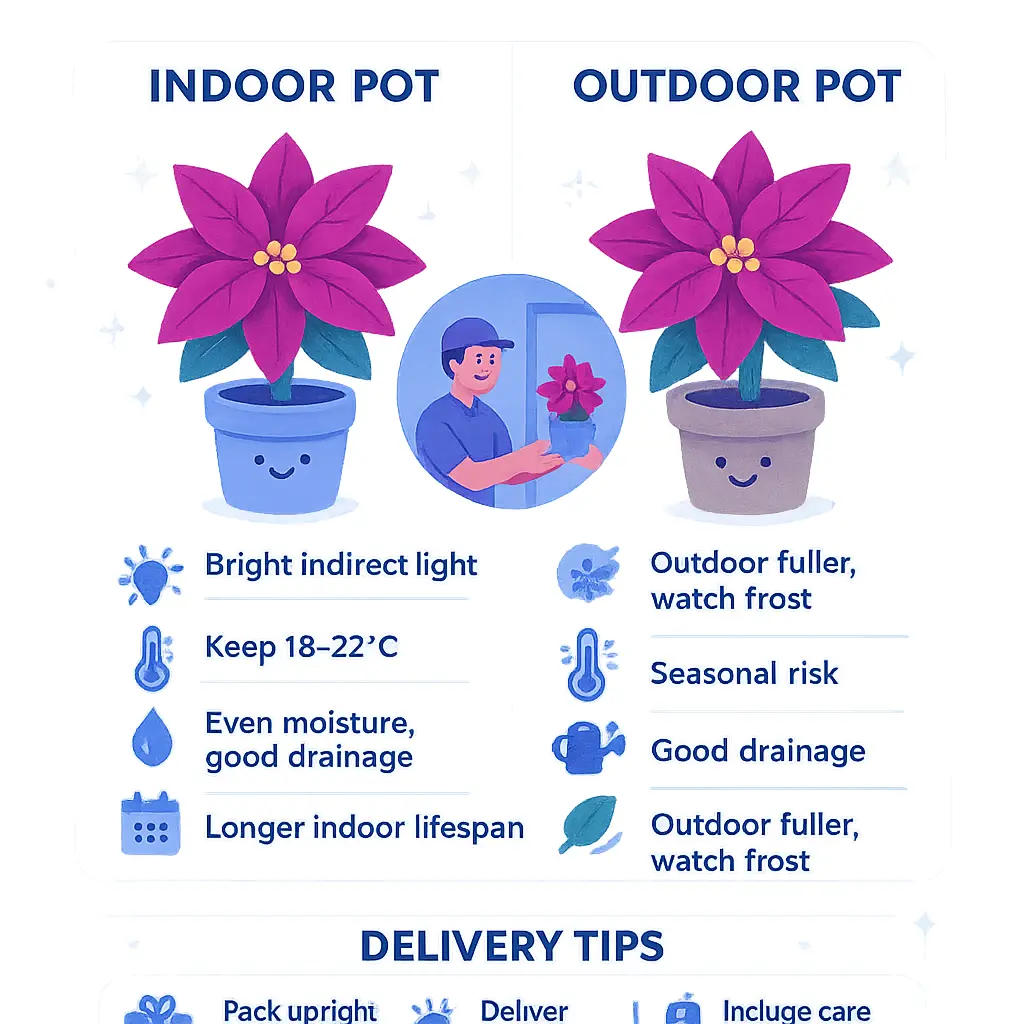
When it comes to growing poinsettias, choosing between indoor and outdoor pots can make a significant difference in the plant’s health, longevity, and overall appearance. Poinsettias, known for their iconic role as Christmas flowers and popular options for holiday plants, are technically native to warmer climates but are most commonly enjoyed as indoor flowering plants in the U.S. Knowing where and how to place your poinsettia can impact not only your aesthetic options for flower arrangements, tabletops, and wedding floral consultations, but also ensures you get the most value out of your holiday plant purchase, whether you’re ordering online, via a local flower shop, or as part of a gift basket delivery.
Indoor Pots: The Preferred Option for Poinsettias
Most people opt for keeping poinsettias in indoor pots due to their cold sensitivity. Poinsettias are best suited for environments with consistent temperatures between 65°F and 75°F, away from direct drafts or intense heaters. Indoors, you have more control over these conditions, making indoor pots the safest choice for maintaining vibrant, long-lasting fresh flowers during the winter. Decorative containers, whether they’re sleek modern ceramic cachepots or cozy rattan baskets, are easily incorporated into florals and tabletop arrangements, allowing for creative holiday floral arrangements and blend beautifully with other live plants like orchids or foliage plants.
Indoor pots also provide the flexibility of watering schedules and lighting adjustments. You can move your poinsettia closer to a bright window for the ideal six hours of indirect sunlight, or reposition it if sunlight becomes too harsh. Households taking advantage of flower delivery services—especially same day flower delivery for last-minute seasonal plants—often appreciate that their holiday plants are already potted beautifully for indoor display and minimal adjustment is needed. Indoor potted poinsettias quickly become centerpieces, sympathy flowers, or wedding flowers within professional arrangements, especially when florists match the pot style to your event’s theme or décor.
Outdoor Pots: When Are They Viable?
While less common, outdoor pots for poinsettias are viable in climates without winter freezes—think USDA zones 10-12. In these areas, poinsettias can thrive outdoors year-round and make stunning additions to garden beds, large exterior planters, and holiday porch displays. For those living in milder regions, outdoor containers allow poinsettias to sprawl naturally, sometimes reaching impressive heights. Outdoor pots offer a more robust, garden-style look that's ideal for bulk floral supplies, wholesale flowers, or even live potted gifts for large holiday gatherings.
However, special considerations are vital for outdoor plant care:
- Temperature Swings: Poinsettias do not tolerate sudden chills or frost. If nighttime temperatures drop below 50°F, you’ll need to move pots indoors overnight or provide frost covers.
- Water Drainage: Outdoor containers need excellent drainage to prevent root rot—look for large drainage holes and use a well-draining soil mix, not garden soil. Wholesale pots for outdoor use are often more rugged and utilitarian compared to the decorative options found in floral shops.
- Sun Exposure: Outdoors, poinsettias require morning sun and afternoon shade to avoid leaf burn, especially in hotter climates. Incorporate foliage plants around the base to provide natural shading and complement the vibrant bracts.
Plant Care Tips for Both Environments
Regardless of indoor or outdoor setting, consistent plant care is essential. Always check soil moisture by inserting your finger about an inch below the surface—water only when the top feels dry. Avoid overwatering, which both indoor and outdoor pots are prone to if lacking proper drainage. Indoor plants may need to be rotated every week to ensure even light exposure on all sides, preventing lopsided growth in your floral arrangement or tabletop centerpiece.
Fertilize sparingly—once per month with a balanced houseplant fertilizer during active growth (spring and summer), but not during their All-American holiday showcase. If your poinsettia is featured in a bouquet or gift basket, ask your flower shop for care guidance. Flower shops and online ordering services frequently provide plant care cards specifically tailored to their holiday plants, highlighting seasonal nuances or specific instructions for potted arrangements.
Which Is Right for You?
- Choose an indoor pot if you want a low-maintenance, stunning plant for Christmas floral gifts, household décor, or event arrangements. This is the best choice for most climates in the U.S., especially when using poinsettias for wedding flowers, sympathy flowers, or part of a floral subscription.
- Consider outdoor pots if you live in a subtropical climate and want to create bold, living borders or display large-scale holiday floral arrangements on patios and porches. Outdoor pots can also be a beautiful solution for businesses or venues wanting dramatic, festive greetings for clients or guests.
No matter which method you select, combining proper plant care tips with the right environment ensures your poinsettia maintains its iconic color and beauty well beyond the holidays—a staple in floral design that never goes out of style.
Professional illustration about Flower
Eco-Friendly Pot Options
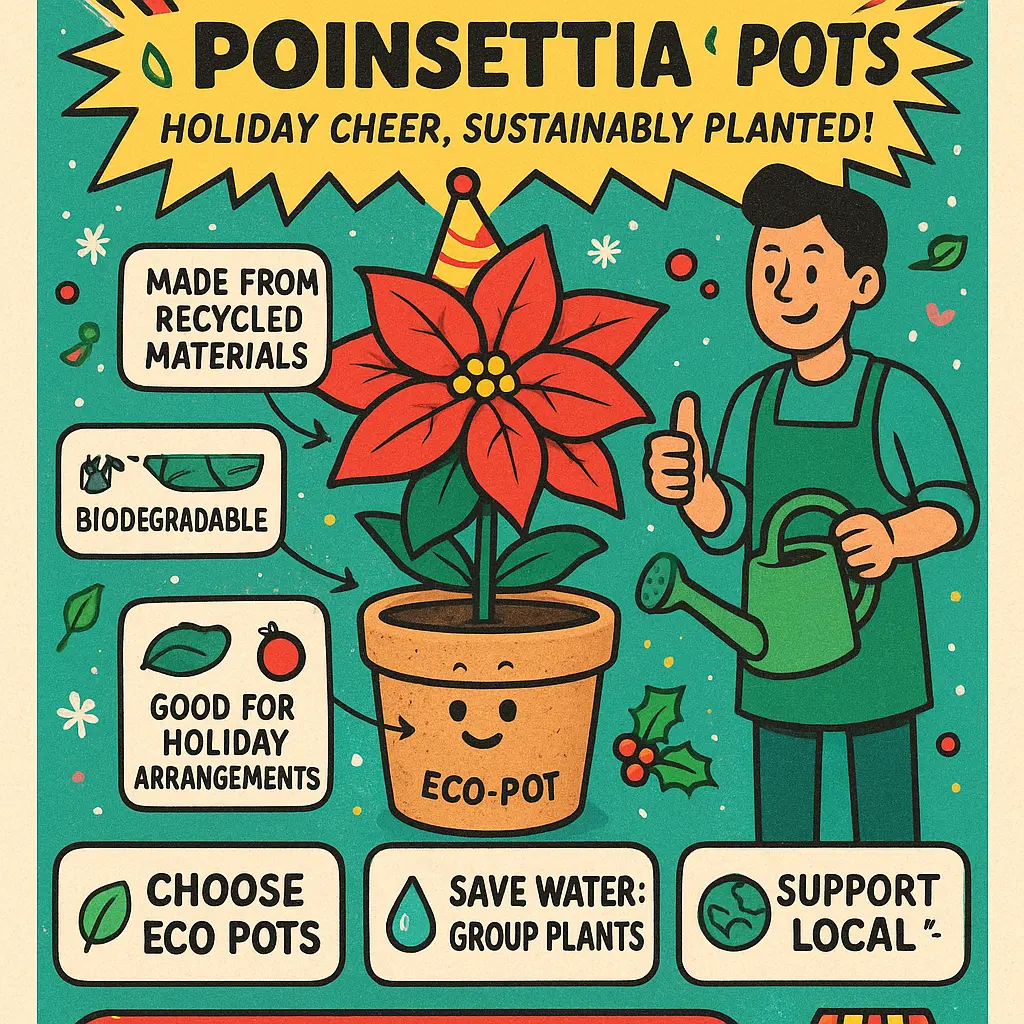
When choosing the perfect home for your poinsettia, especially as a part of holiday plants or as an eco-conscious Christmas flower arrangement, opting for eco-friendly pots is a fantastic decision for modern plant lovers. Today, people are increasingly mindful of sustainability, and florists as well as plant shops now offer a wide array of green options that align beautifully with both environmental goals and advanced poinsettia plant care.
Eco-friendly pot options range from biodegradable planters made of coconut coir, bamboo fiber, or recycled paper pulp to upcycled containers sourced from repurposed materials. These innovative alternatives not only reduce your environmental footprint but also infuse your floral arrangement or tabletop arrangement with a rustic, earthy look adored in both holiday floral arrangements and wedding flowers alike. One trending choice among upscale flower shops in 2026 is the plantable pot—once your poinsettia outgrows its container, you can transfer the entire thing into the garden soil, where it breaks down harmlessly, enriching the ground.
Many plant care enthusiasts seeking to create a sustainable gift basket for the holidays or order plants online for sympathy flowers also look for ceramic pots made from reclaimed or domestically sourced clay, which boast longevity while being eco-friendlier than plastics. Contemporary flower delivery services and online flower shops frequently offer customizable eco-pots as add-ons to bouquets or live plant gifts. Ask your florist about locally-produced options; supporting small-batch artisans not only ensures optimal quality but also minimizes the carbon footprint associated with shipping and mass manufacturing. For those arranging wholesale flowers or foliage plants in larger volumes—say, for a big corporate event or wedding floral consultation—there are even biodegradable trays and sleeves available, which allow stunning arrangements without contributing to landfill waste.
For indoor flowering plants like orchids or poinsettias, self-watering eco-pots made from recycled composites are gaining popularity. They’re designed to help regulate moisture levels, making plant care less of a hassle, especially for those new to flowering plants. For the creatively inclined, upcycling is also a winning eco-friendly strategy: think glass jars, metal tins, or wooden boxes transformed into unique pots, each bringing refreshing personality to holiday plants and tabletop arrangements alike.
As you think about your next floral gift, flower subscription, or custom sympathy flowers—whether for the holidays, weddings, or simply to brighten an indoor space—consider how your choice of pot can reflect your commitment to a greener world. Top-rated flower delivery providers already embrace this shift; many offer same-day flower delivery with a green twist by packaging fresh flowers and live plants in eco-pots, biodegradable wraps, and sustainable ribbons. Whether you’re a seasoned gardener looking for wholesale flowers, a designer crafting a floral arrangement for a bridal shower, or just selecting the best selling flowers to order online, eco-friendly pot options not only ensure your poinsettias thrive but also show care for the planet.
When planning your next floral arrangement, whether it’s gifting orchids or Christmas poinsettias, scan your local flower shop for innovative eco-containers or ask about online customization. With the diversity of eco-friendly options in 2026, it’s easier than ever to combine plant care tips with sustainable living—ultimately giving both your poinsettia and the Earth a beautiful present this holiday season.
Professional illustration about Arrangement
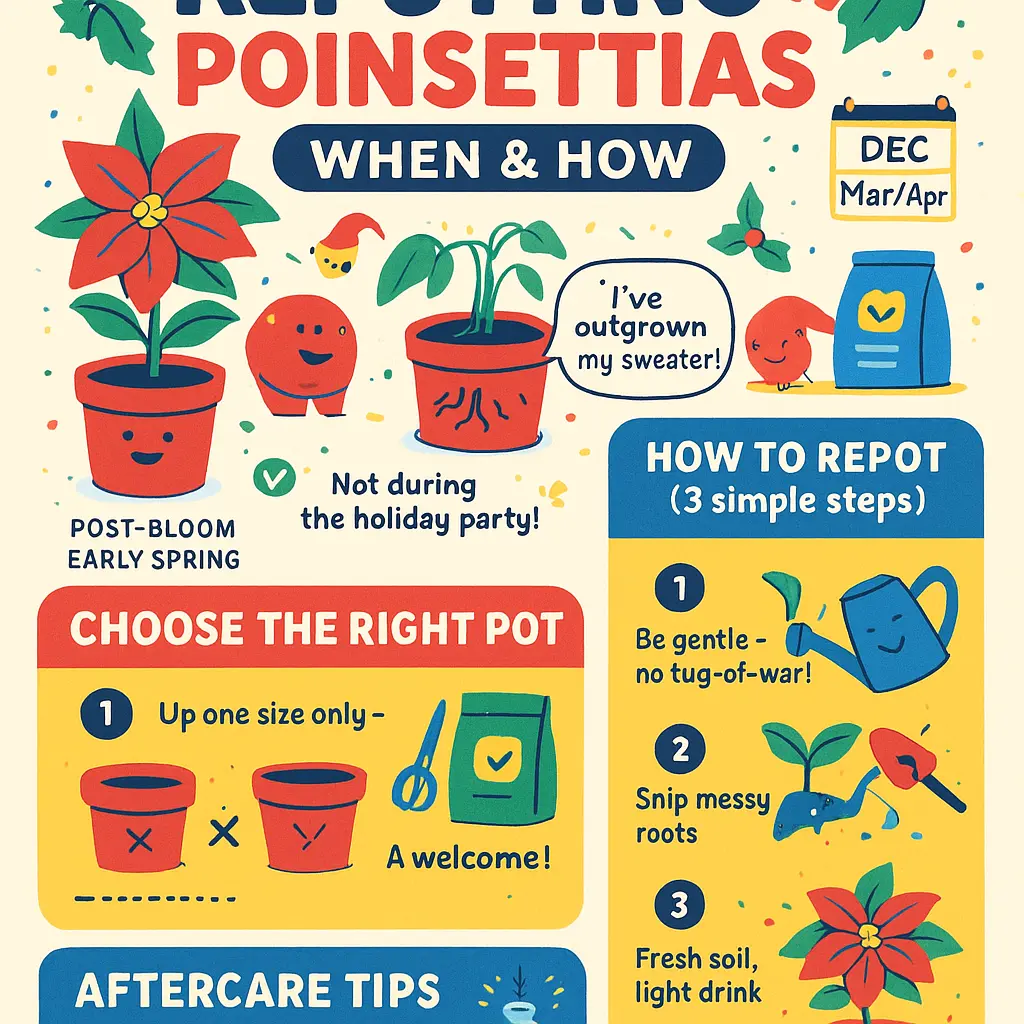
Repotting Poinsettias Guide
When it comes to repotting Poinsettias—those iconic Christmas Flowers—knowing exactly when and how to transition your plant to a new pot can make all the difference for robust growth and lasting seasonal beauty. Poinsettias are more than just classic holiday plants; homeowners, Flower Shops, and Wedding floral consultants recognize their year-round potential in various floral arrangements, especially when they're thriving as Live Plants and Indoor Flowering Plants. Typically, repotting becomes necessary in spring or early summer, as the plant rebounds from the intense bloom period triggered by winter. You'll notice persistent root crowding, drooping leaves, or stagnated growth if your Poinsettia has outgrown its original Gift Basket or decorative cachepot.
Step-by-Step Plant Care Tips for successful repotting:
- Choose the right container: Center your decision on material and size, favoring pots with excellent drainage and ample space for root expansion. Classic terracotta pots are superb for Flower Shops who customize tabletop arrangements, but decorative ceramics also offer style for holiday gifting ensembles or sympathy flowers presentations.
- Prepare the ideal soil mix: Poinsettias flourish in slightly acidic, loose, and well-draining substrates. You can create a mix at home with peat moss, perlite, and pine bark—similar to those used for Orchids, another favorite in online flower ordering and best selling flowers collections.
- Gently remove the root ball: After watering, tip the Poinsettia sideways and ease it out of its pot by tapping the container’s sides. Take care not to break fragile stems or bruising vibrant foliage, which often anchors centerpiece floral gifts at family gatherings and wedding flower backdrops.
- Inspections & grooming: Repotting provides the opportune moment for assessing the roots—trimming decaying or black roots, dislodging old soil, and snipping off broken stems. This keeps your Indoor Plants, especially those incorporating seasonal plants like Poinsettia, invigorated.
- Position in the new pot: Place the central root mass gently—never bury the main stem deeper than in the previous pot. Fill with the prepared soil, pressing lightly to anchor but not compact the roots too tightly, as proper airflow fosters growth and ongoing plant resilience alongside fresh flower arrangements.
- Watering protocol: Thorough initial watering—not flooding—gets rid of air pockets and settles the soil. As with wholesale flowers, broadleaf foliage plants, and bulk dried florals, moisture control stays critical. Overwatering risks root rot and diminishes long-term vigor for decorative holiday arrangements and subscription bouquets.
- Adjust lighting: Repotted Poinsettias crave indirect, consistent light—a gentle window nook works beautifully. While too much direct sun scorches their famed crimson bracts, insufficient light causes leggy, pale stems, disrupting the impact in floral supplies and tabletop displays.
Expert insights for home and commercial setups:
Households frequently repot Poinsettias right after seasonal displays fade in January, especially if these plants arrived from a Flower delivery service or as part of Floral gifts subscriptions. Larger offices that utilize best selling flowers for indoor holiday styling may even create seasonal plant “nurseries” dedicated to rotating and repotting different varieties alongside orchids and decorative foliage plants. In wedding floral consultation appointments, event planners will monitor root health for larger Poinsettia “trees,” key elements in bold reception décor or Sympathy Flowers installations.
If you’re preparing Poinsettias for gifting—perhaps as part of a gift plants for holidays basket, or a lively tabletop arrangement—it’s wise to repot ahead of delivery. This ensures not only optimal Plant Care for the recipient but increases the plant’s longevity. Flower Shops specializing in same day flower delivery routinely check and refresh container-grown Poinsettias when building Holiday floral arrangement orders to maximize customer satisfaction through Online flower ordering.
Common repotting mistakes to avoid:
– Misjudging the pot size, resulting in either crowding or wasted soil space
– Neglecting root inspection, potentially spreading disease across one’s collection of Live Plants
– Forgetting to let the plant acclimate; newcomers to Indoor Flowering Plant care often forget this critical period
By mastering these repotting strategies and applying classic Plant Care Tips tailored to Poinsettias, you set up your holiday plants for glowing health, longer bloom cycles, and versatility in everything from tabletop floral gems to wedding centerpiece bouquets—all essential markers of premium floral arrangement success for 2026 and beyond.
Professional illustration about Supplies
Preventing Root Rot
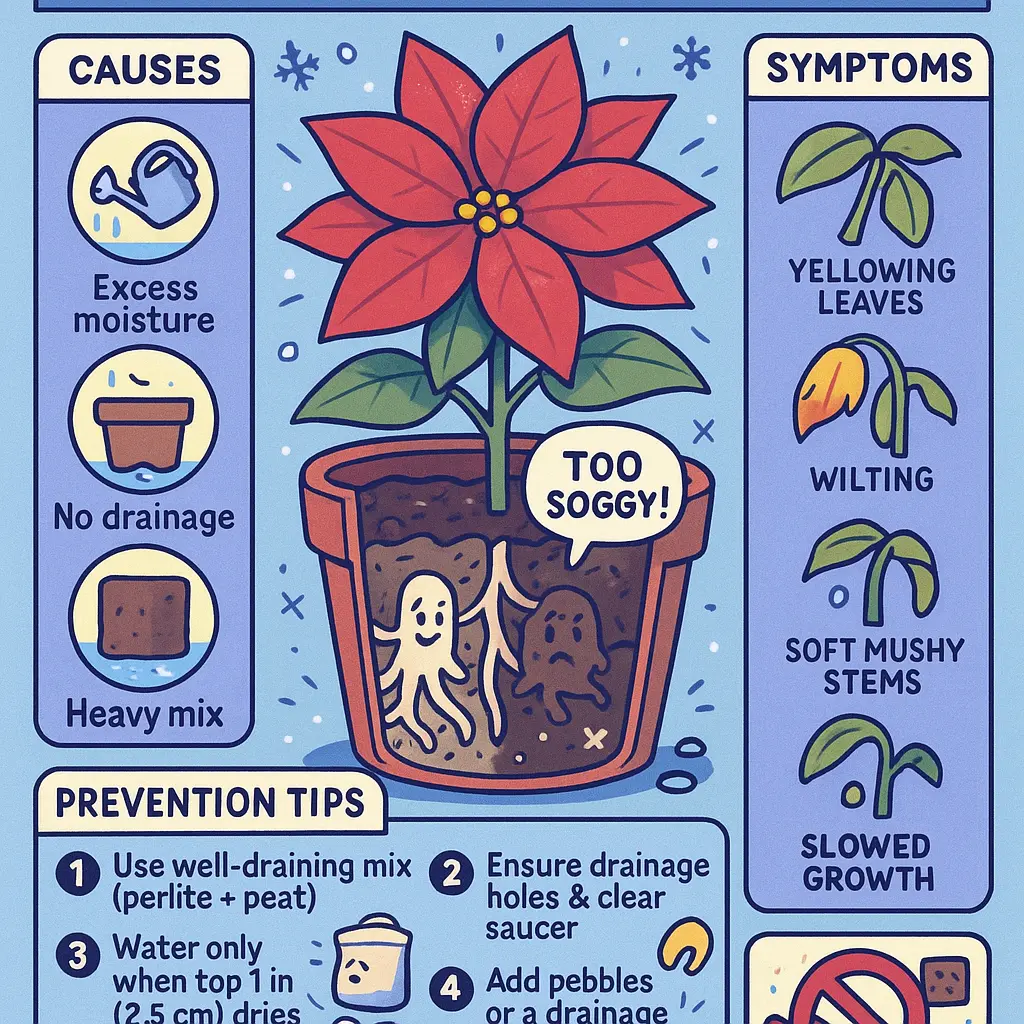
If you want your Poinsettia to truly shine as a Holiday Plant or Christmas Flowers centerpiece well into 2026 and beyond, preventing root rot is absolutely essential for successful plant care. This disease, often triggered by excess moisture and poor drainage, can sneak in whether your poinsettia is staged as part of a tabletop arrangement, included in a sympathy flowers basket, or chosen for a wedding floral consultation as winter floral décor. Fortunately, effective plant care tips can help you steer clear of the mess.
Start with smart pot selection and soil management: Always opt for pots with adequate drainage holes when selecting Poinsettias from your favorite Flower Shop or adding Floral Arrangements to a Gift Basket. Many decorative seasonal plants come in cachepots or cover baskets; while these look great in holiday floral arrangements or for best-selling flowers, they often trap water without giving roots a way to dry out—so double-potting (using a grower pot inside a decorative cover, with space to drain) is an easy trick recommended by many Flower Delivery services. On the soil side, most experts now swear by a well-drained, lightweight soil mix with a bit of perlite or orchid bark, not just heavy potting soil. This isn’t only for Indoor Plants or Live Plants you order online, but critical advice whether you're starting a floral subscription or hand-picking dried florals, bouquets, or foliage plants as holiday gifts.
Water wisely and monitor moisture for healthy roots: Even a fresh Flower Shop poinsettia, whether purchased for a grand holiday floral arrangement or a subtle gift plants for holidays display, will struggle if overwatered. In 2026, smart tech tools make moisture-testing simple—soil moisture meters are affordable and give real feedback, reducing the guesswork that leads to root rot. Instead of watering on a strict schedule, check the top inch of soil: only water your poinsettia when it feels dry to the touch. For homes with lower winter humidity (think indoor environments post Christmas decor setup), environmental changes can speed up drying, so frequent small checks are better than big risk-taking. Ensuring water drains from the bottom prevents pooling under the root zone, and the same applies for Orchid, wholesale flowers supply setups, and any indoor flowering plant that could suffer in overly damp conditions.
Tips for flower shops, florists, and DIY arrangements: If you’re working with floral supplies or crafting flower arrangements at home for weddings, sympathy, or holiday décor in 2026, keep your poinsettia away from cold, damp drafts and never use a saucer or basket that collects runoff for more than a few hours. For online flower ordering and same-day flower delivery services, ask specifically about how fresh flowers and plant care packaging allow for air flow or if moisture-wicking materials are provided—which especially helps with best-selling flowers and seasonal plants that travel long distances.
What experienced plant owners do to prevent root rot in poinsettias and other tabletop arrangements: Shrewd caretakers know the importance of periodic root inspection, particularly for live plants and foliage plants displayed as indoor holiday plants. Every month in the winter season, gently remove the plant from the pot and check for healthy, white roots; any sign of mushy, brown or foul-smelling roots is a cue to prune, repot, and reassess watering routines. The inclusion of orchid in floral arrangements or dried florals in winter bouquets shows variety, and experts recommend a unified approach with proper table arrangement hydration tracking for all types—floral gifts or otherwise.
Key takeaways to enrich the Holiday Plant experience: With proper pot size, drainage, smart watering tactics, environmental controls, and pro-level inspection routines, your Christmas poinsettia or table centerpiece blooms rich and vibrant—serving as a living testament to advanced plant care and a must-have showcase in modern 2026 flower shops. Whether you routinely order flowers online or lead a floral subscription service, these proactive methods will keep root rot out of the spotlight and guarantee your Poinsettia dazzles in every festive, sympathy, or wedding arrangement you craft.
Professional illustration about Sympathy
Poinsettia Pot Placement
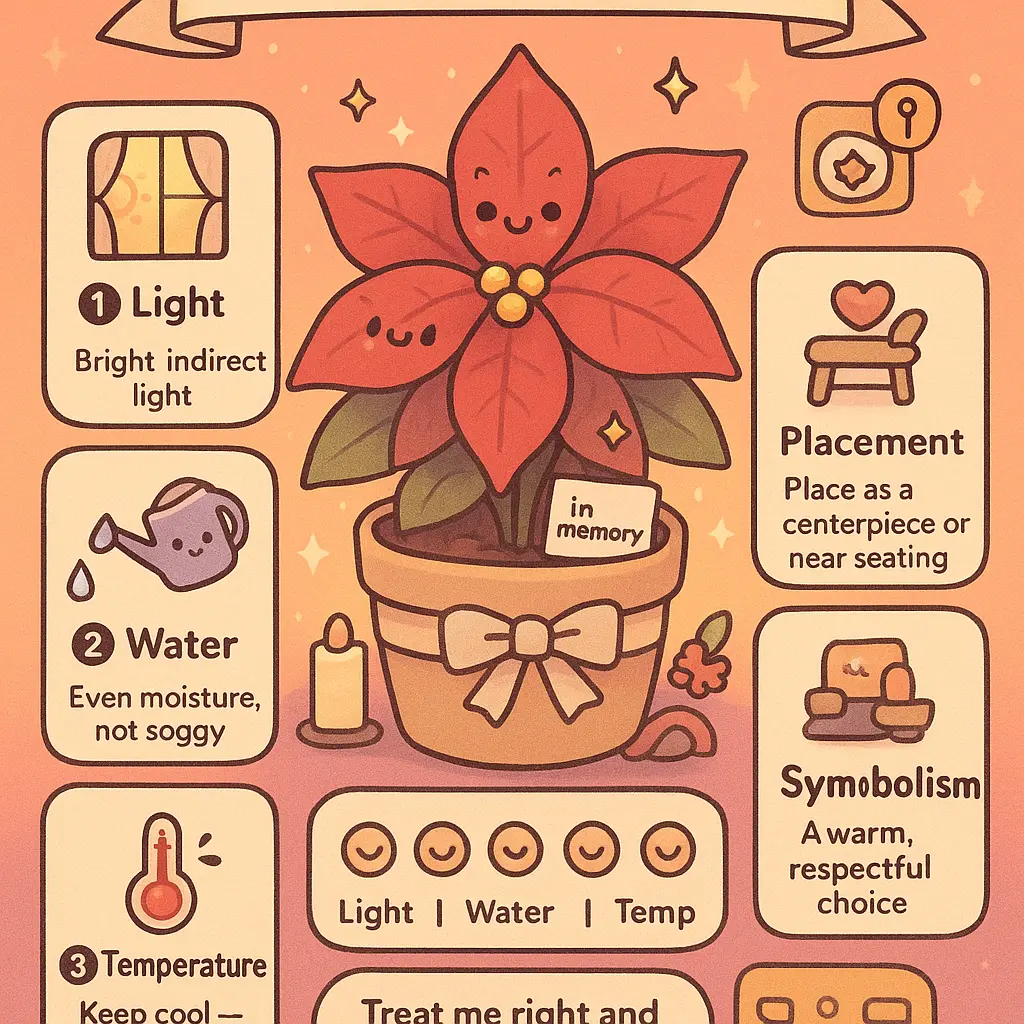
Placing your Poinsettia pot correctly is absolutely essential for this plant to thrive as a showstopper throughout the holiday season and even into the new year. Whether you’re styling your home with vibrant Christmas flowers or adding a fresh splash to a tabletop arrangement for a festive celebration, how you situate your Poinsettia makes all the difference in terms of both visual impact and plant care. In flower shops, experts typically recommend Poinsettias for gift baskets, sympathy flowers, or as the centerpiece of a gorgeous floral arrangement delivered via a flower delivery service, assuming the plant’s placement enhances its color and form.
Light Exposure:
Poinsettias flourish in bright, indirect sunlight. Avoid direct rays through windows, which can scorch their iconic foliage and diminish flower vibrancy. Ideal placement is near an east-facing or west-facing window having sheer drapes, so the plant receives ample natural light but remains shielded from harsh afternoon glare. When used in an office or inside wedding venues for wedding flowers, these combinations not only elevate decor but also protect the plant’s delicate anatomy. Dim corners or continuously shadowed locations will prevent the Poinsettia from properly displaying its radiant, festive blooms—dimming the joy at holiday parties and reducing their lifespan.
Temperature and Environment:
Perfect plant care means noting that Poinsettias prefer temperatures between 65°F and 75°F. Avoid placing the pot close to drafts from open doors, radiators, or air conditioning vents, which could result in sudden leaf drop or color fading. The same principle applies when using a Poinsettia as a featured piece in a tabletop floral arrangement during winter weddings or on a buffet table at your holiday gathering. Consistency in environmental conditions assures your plant glows with life as guests admire your arrangement. To prevent wilting, also avoid spaces with rapid temperature fluctuations such as entryways or kitchens adjacent to stoves.
Humidity Requirements:
As tropical natives, Poinsettias enjoy moderate humidity. During crisp winters in the States, ongoing heating often creates dry air, so grouping your main Poinsettia with other indoor plants, such as leafy foliage plants or even an Orchid, helps maintain ambient moisture. This synergy is popular in award-winning flower shops; professionals develop mixed arrangements blending Poinsettias, dried florals, orchids, and bouquets, accenting retail spaces or home interiors with style and sustainability in mind. Plant care tips include placing your plant on a tray filled with pebbles and water so humidity gently rises without risking root rot.
Styling and Social Placement:
Poinsettias perch beautifully across variable settings: in living rooms as seasonal holiday plants, near stair landings in the foyer, or set aside accompanying sympathy flowers beside commemorative family photographs. For expressing personality and taste, place them at eye level on an elegant console table for a holiday dinner, or integrate with indoor flowering plant groupings for instant color burst in guest areas. Order flowers online for impressively designed container sets; Poinsettias tucked into curated gift baskets coax aesthetic joy. Studios specializing in wholesale flowers will often recommend alternate placements: massed on mantles, worked into seasonal plants displays on coffee tables, or shining on the reception desk to greet clients with that cheerful pop-red hue.
Placement Tips for Longevity:
Every floral shop expert knows that avoiding the mistakes of overwatering, extreme cold, and crowding will help your Poinsettia pot outlast seasonal trends. Spatially, never jam this live plant against walls or larger decorative vases as this stifles airflow and leads to faded leaves. Pair the Poinsettia with dried florals and succulents in open containers for sustainable gifts you can order for same day flower delivery. In more intimate homes or urban apartments without sprawling space, wall-mounted shelves or bright kitchen counters can work wonders, but check the area for exposure to temperature extremes or overzealous heating that might damage sensitive holiday plants.
Case Example:
Let’s say Jenny gifts her parents a stunning floral basket from an online boutique. Upon delivery, her mom sets out the Poinsettia pot on a cold metal pedestal near the front door. Fast forward a week, the leaves curl and lose their festive appeal. Later, guided by her local flower shop’s plant care tips, Jenny’s mom shifts the pot to a wooden chest beneath an eastern window, buffered from near radiators and excessive sunlight. Within days, the plant rejuvenates—its bracts re-darken and become the season’s highlight, brightening the spirits of every family member enjoying their bustling holiday floral arrangement.
Proper Poinsettia pot placement doesn’t just heighten holiday decor; it’s your key to long-lasting live plants and standout floral arrangements tailored for ongoing gifting or memorable event centerpieces. So, whether ordering your best-selling flowers from an online flower ordering site or gathering bulk floral supplies for an annual floral subscription, remember: location matters as much as style when revealing a Poinsettia’s most festive glory.
Professional illustration about Holiday
Cleaning Your Pots
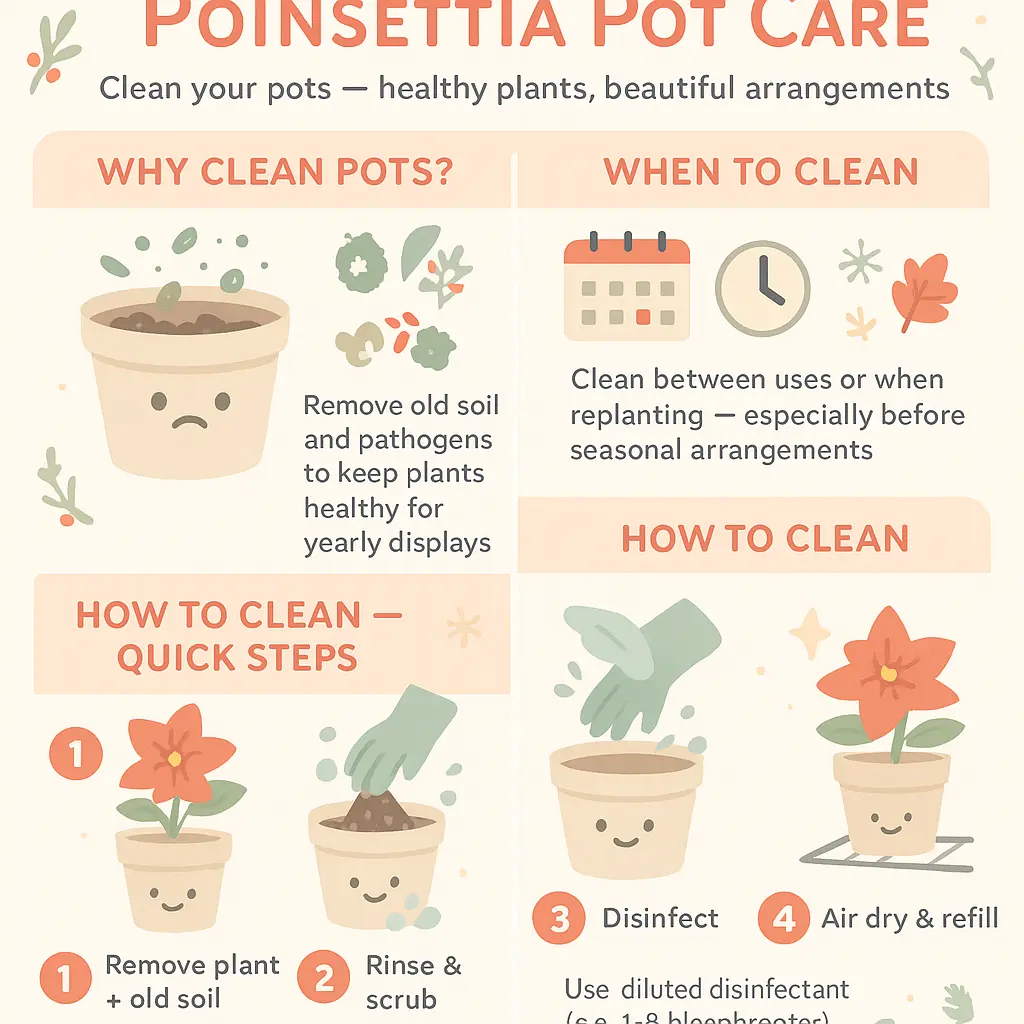
Cleaning your pots is a frequently overlooked yet fundamental step in poinsettia plant care—especially when their vibrant styles are woven into Christmas flower arrangements, wedding flowers, and sympathy flowers that often grace your home or event year after year. To promote the health of your holiday plants and other foliage plants, start with thoroughly cleaning the container before repotting or introducing your new live plants. Whether you reuse gift basket containers from a friendly flower delivery, decorative flower arrangement pottery from last year’s festivities, or repurpose recycled flower shop supplies, every container develops residue and hidden pathogens that could threaten your arrangement’s success.
For poinsettias—like many indoor flowering plants or lush tabletop arrangements—the pots should be scrubbed and sanitized both after each use and before replanting, to prevent mold, bacterial growth, and pests. The simplest method involves emptying out old potting mix and scrubbing with a soft brush using a mixture of mild dish soap and hot water. Make sure to reach into corners and crevices—especially with intricate, decorative ceramic pots often chosen for Christmas plants and holiday floral arrangements. Rinse thoroughly to remove all soap residues, as leftover detergents can harm tender poinsettia roots or detrimentally alter the potting mix that supports your best-selling flowers and foliage.
Many flower shops and florists specializing in wholesale flowers, dryer florals, and orchids recommend a deeper disinfecting for containers previously used to house sick or wilted houseplant gifts, wedding floral centerpieces, or older sympathy flower planters. If you want the hygiene standards maintained by professional floral delivery services and event florists, submerge your clean pots in a diluted bleach solution (one part unscented liquid bleach to nine parts water) for ten minutes. Afterward, rinse gently but thoroughly with clean water and allow to air dry—proper drying is vital so mold never has a head start.
When dealing with specialty containers such as vintage wooden gift baskets or artisanal decorative ceramics, make sure to check care labels; some unique holiday plant holders or tricentenary dried floral arrangements could be sensitive to chemical disinfectants. Here, just dedicated scrubbing with warm soapy water, careful airing, and an organic plant-safe sanitizing spray can suffice. And if ever in doubt, consult with your trusted wedding floral consultant or ask for tips from the local flower shop, many of which offer tutorial sessions on maintaining both floral gifts and planters from seasonal plants received via flower delivery.
Practical plant care tips stress that you should check drainage holes for obstructions, salt build-up, or compacted residues which impede water flow. Unclog these with a chopstick or small brush—especially for indoor plants that cherish routinely hydrated yet well-aerated roots. Crusty mineral and fertilizer residues from repeated watering are particularly common in households subscribing to fresh flowers or orchid floral subscription plans. These deposits can be dissolved using a 1:1 vinegar-to-water solution, but always make sure to wash this away completely before reinstating your precious poinsettia or next indoor flowering plant.
Many customers love reusing bold pots or cute holiday containers given as floral gifts, but as the latest research in plant care and maintenance (2026 updates) suggests, planting directly into these containers without thorough cleansing drastically increases the risk of root issues and accelerated disease cycles—spoiling that glorious hot red-to-cream bloom typical of a healthy, lovingly kept poinsettia. Even for hardy plants, starting with clean containers sets the stage for robust foliage, longer bloom time, and fewer unsightly fungi throughout display windows, home mantles, or central office spaces benefiting from same day flower delivery perks.
By prioritizing cleanliness and careful readiness, you set the foundation for every poinsettia's brilliance—not just during the holidays, but whenever classic seasonal plants become a part of the scenery. Whether you're a passionate floral designer building a dramatic winter wedding bouquet, or just embracing lush indoor plants for everyday beauty, the simple act of cleaning your pots directly reflects in the vitality and enduring luster of your floral arrangements. This subtle yet critical prep ensures your chosen plant or flowers—be it a grand amaryllis, humble orchid, elegant ivory-white sympathy lily or the holiday classic poinsettia—shines their table-topping best, supported by essentials and a strong start for all future floral dreams.
Professional illustration about Indoor
DIY Poinsettia Pot Ideas
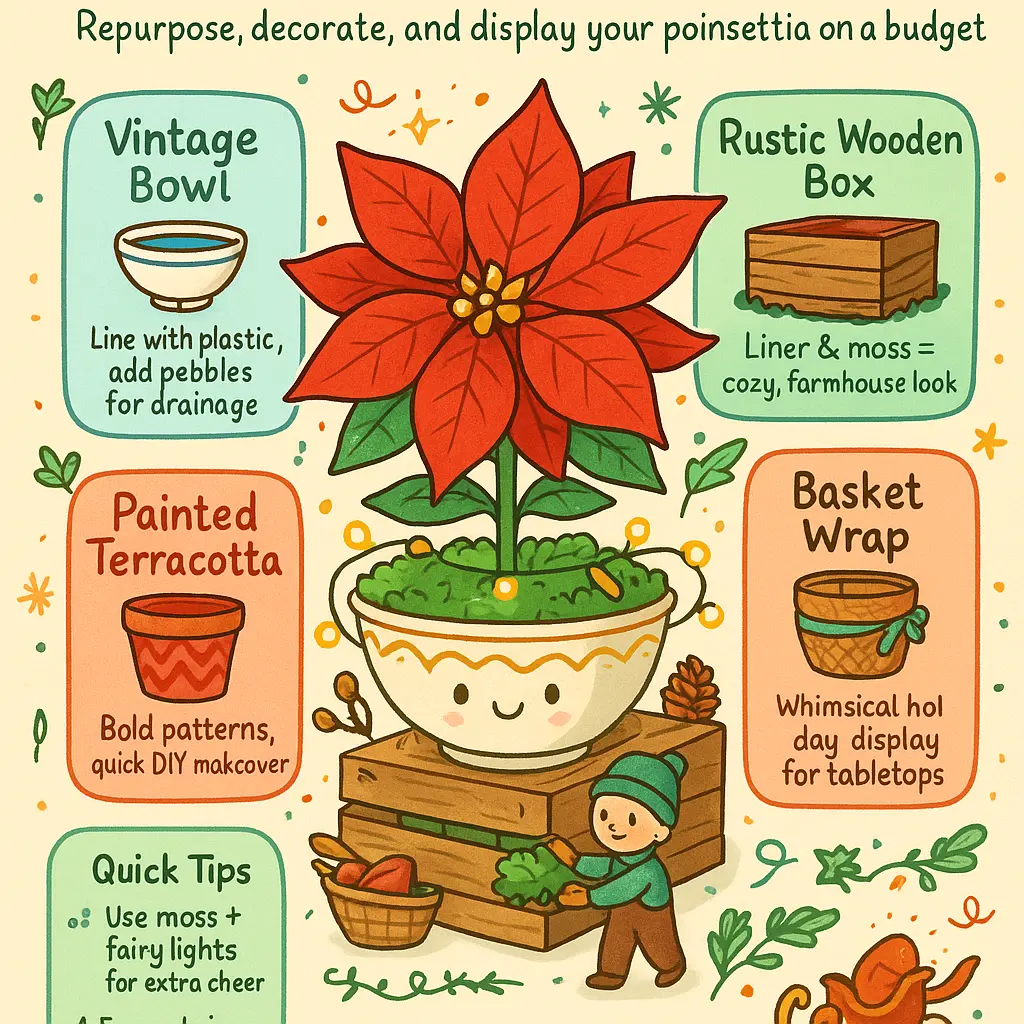
Transforming your poinsettia into a showstopping display doesn’t have to cost a fortune. In 2026, DIY Poinsettia Pot Ideas have become a seasonal trend, bringing joy and creativity to homes, flower shops, and festivities alike. Repurposing containers you already own—like vintage bowls, rustic wooden boxes, sleek glass vases, or minimalist ceramic pots—gives new personality to one of the most iconic holiday plants. Think of your Poinsettia as the centerpiece for classic Christmas flower arrangements, providing vibrant red, white, or pink colors that blend effortlessly with fir boughs, fresh berries, or spray-painted pine cones.
Creative Pot Wraps and Bases
For an elevated look in holiday gifting or florals, surround your poinsettia pot with a handmade wrap. Burlap, festive tapestry, or even a chunky knit sleeve can add an appealing texture, suggesting a boutique floral arrangement rather than a supermarket product. Add ribbon or twine, and tuck glittering Christmas flowers, eucalyptus leaves, or dried florals between the fold and the base. This technique isn’t just for home décor—it’s a win for sympathy flowers, tabletop arrangement gifts, or upscale sales in a flower shop looking to distinguish their holiday plants.
Personalized and Seasonal Touches
Ornaments are another easy way to boost a DIY design. Hang miniature baubles or handmade snowflakes along the pot’s rim, threading them with fine wire for stability. Want a nature-inspired feel? Gather fresh – or faux – holly, dried birch bark, or sprigs of seasonal foliage plants and position around your poinsettia’s base. Unlike generic presentation, customizing with live plants or orchid offshoots easily shifts your arrangement from Christmas exclusive to a true all-year piece—ensuring year-round floral subscriptions or flower delivery service requests always feel current and seasonal.
Multi-Plant Arrangements for Maximum Impact
Don’t limit yourself to working with only one plant. Sure, a solo poinsettia is classic for Christmas, but creating little clusters with other indoor flowering plants—like holiday-ready dwarf evergreens, small orchids or contrasting posies—adds instant charm and knock-out curb appeal. Line three small pots together on a wooden tray for large centerpieces, or circle your poinsettia with a mix of herbs and table greens, creating lush filler without overshadowing your festive star. Treat your creation as a living gift basket, so not only does it delight recipients during the holidays, but it prospers with proper care in months that follow.
Plant Care at the Core
Great DIY does not duck plant care. Position your potted displays in spaces that supply good indirect light—basic plant care tips like keeping root systems moist but never soaked ensure those bold seasonal plants unfold their traditional beauty. When incorporating dried florals or wholesale flowers from a local flower shop, separate water sources from live foliage to preserve longevity and freshness. Whether you decorate for a home event, supply for same-day delivery, or support virtual flower orders, giving practical maintenance advice with every pot not only boosts the presentation, but earns repeat, happy customers.
Styles Suited to Gifting and Special Occasions
Customize your arrangement’s look for maximum appeal: use porcelain or metallic vessels and professional-grade floral supplies in wedding floral consultation for elegant winter designs; try reindeer figurines, berry sprigs, and punchy bows for lighthearted gift plants exchanged among friends and family. For sympathy flowers, keep your color palette gentle—white or blush poinsettias nestled beside silvery foliage under a matte gray presentation bowl creates an understated and respectful vibe. In flower delivery, simple changes—wrapping a practical planter in designer tissue, providing fresh flowers or additional gift plants for holidays—differentiate your offerings from competitors and keep your flower arrangements best-sellers.
Eco-Innovation and Seasonal Trends
Top flower professionals are rolling creative newsletter lists, showcasing DIY tips alongside insights for trending seasonal plants offered via online flower ordering and café-themed workshops. Consider upcycled glass jars for tabletop arrangement when eco-minded offices call for fresh décor, or modular planters designed to help poinsettias transition from holiday-specific to year-round indoor plants. Combining best-selling flowers like foliage, fragrant roses, and showy rununculus with wholesale flowers or bouquets yields multi-textural DIY mixes loved by subscribers.
Welcoming DIY spirit driven by innovative Plant Care in 2026, both enthusiasts and retailers shine by celebrating unique spin and personal stories, all through the spotlight of everyone’s favorite holiday plant—the vibrant poinsettia.
Professional illustration about Plants
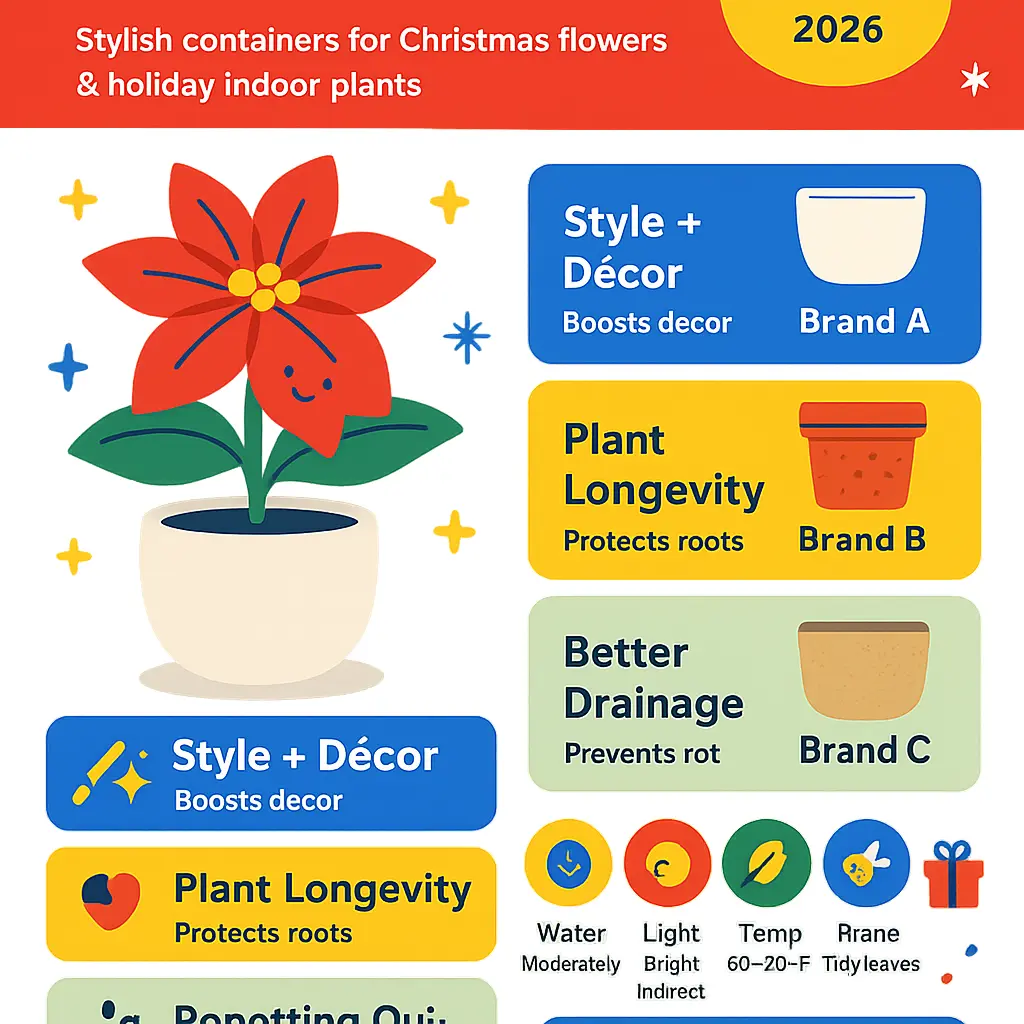
Top Pot Brands 2026
When shopping for Poinsettia pots or repotting trendy indoor plants during the holiday season, choosing
from Top Pot Brands 2026 makes a legitimate difference in style and plant longevity. This year’s
bestsellers provide stunning containers for Christmas Flowers, boosting not only your décor but also plant health. The latest collections from leading brands are crafted to complement any Floral Arrangement, whether
for your tabletop arrangement, a Sympathy Flowers tribute, or live holiday plants thriving through
the winter celebrations.
Industry-leading names such as Bloombud Designs, Verdehouse Ceramics, Willowroot, and Magnolia Clay are raising the standard for floral supplies from home plant care up to gift basket presentation:
- Bloombud Designs is known for integrating bold festive colors and luxe glazes perfect for showcasing a Poinsettia as an iconic centerpiece. Their specialty pots encourage healthy roots and prevent waterlogging, ideal for keeping your Christmas Flowers fresh throughout holiday parties or any indoor flower arrangement.
- Verdehouse Ceramics, among the top picks for 2026, presents eco-conscious pots made from recycled materials. They feature vibrant finishes and fluid lines tailored to current gift plants for holidays movement, attractive to modern homes and business environments. If you want lasting style for orchids, foliage plants or live plants in a flower shop, their playful undertones elevate both shape and substance.
- Willowroot delivers a distinctive touch in modern minimalist table settings, with pots featuring geometric patterns and integrated moisture-wicking technology. These were highlighted in popular online flower ordering catalogs this year, as perfect choices for preserving freshness among Dried Florals, Bouquets and premium same day flower delivery kits slated for Wedding floral consultation.
- Magnolia Clay, routinely chosen by wedding flowers specialists in floral subscription programs, puts tactile beauty and craftsmanship at the helm. Each hand-thrown pot is glazed for lasting durability, specially conditioned to deliver optimal drainage and airflow for indoor flowering plants and emotionally charged sympathy flower arrangements seen in renowned flower shops.
It is worth paying careful attention to functional choices for each plant species: For care-sensitive blooms like Orchid, look for cups with humidity features or vessels designed to retain adequate warmth during erratic climate spells. Products billed as featuring Starter Pipes and Root Channels are prominent in 2026 catalogs—a valuable Plant Care tip embraced by the top-tier flower delivery service providers and wholesale florals specialists.
Choosing potty solutions offered in best-selling sets isn't just a practical upgrade. They can refresh the look
of a Flower arrangement or redefine your home's atmosphere as part of a holiday floral arrangement. If you order flowers online, many brands have kits contextualized for fast delivery including matching saucers, pebble layers, and custom foliage plants cut to size.
Going for certified USDA CleanGrow options remains widely recommended. Seasonally optimized tabletops lend your indoor setting those sought-after “boutique" qualities, presentable at a glance to holiday guests and regular recipients of floral gifts. Innovative packaging seen in Top Pot Brands 2026 means shipping is safer, environmental impact reduced, and freshness sealed when you need your best selling flowers or plant subscription to deliver on time.
For anyone composing Sympathy Flowers packages, giving housewarming botanicals, or simply looking for starring Christmas gifts, selecting proven dens from top brands expands your creative options. Instead of generic pots, invest this season in containers supporting low-maintenance plant care—Think deeper drainage, reinforced sides, modular planting options, and uniform sizing for cohesive flower arrangement composition all offered in solution-based 2026 launches.
If your aim is versatile holiday plants suited for flawless table appeal and extended indoor vitality, these brand-specific choices will revamp your expectations for freshness, convenience, and memorable floral workmanship across any flower shop season. Whether launching a decorated gift basket empire, coordinating dried florals with new live plant favorites, or giving much-needed desk plants at the office,
explore what 2026 pot experts are bringing to the scene for distinguished home decorating, smooth floral delivery,
and mother-nature-approved all-occasion gift giving.
Professional illustration about Orchid
Common Potting Mistakes
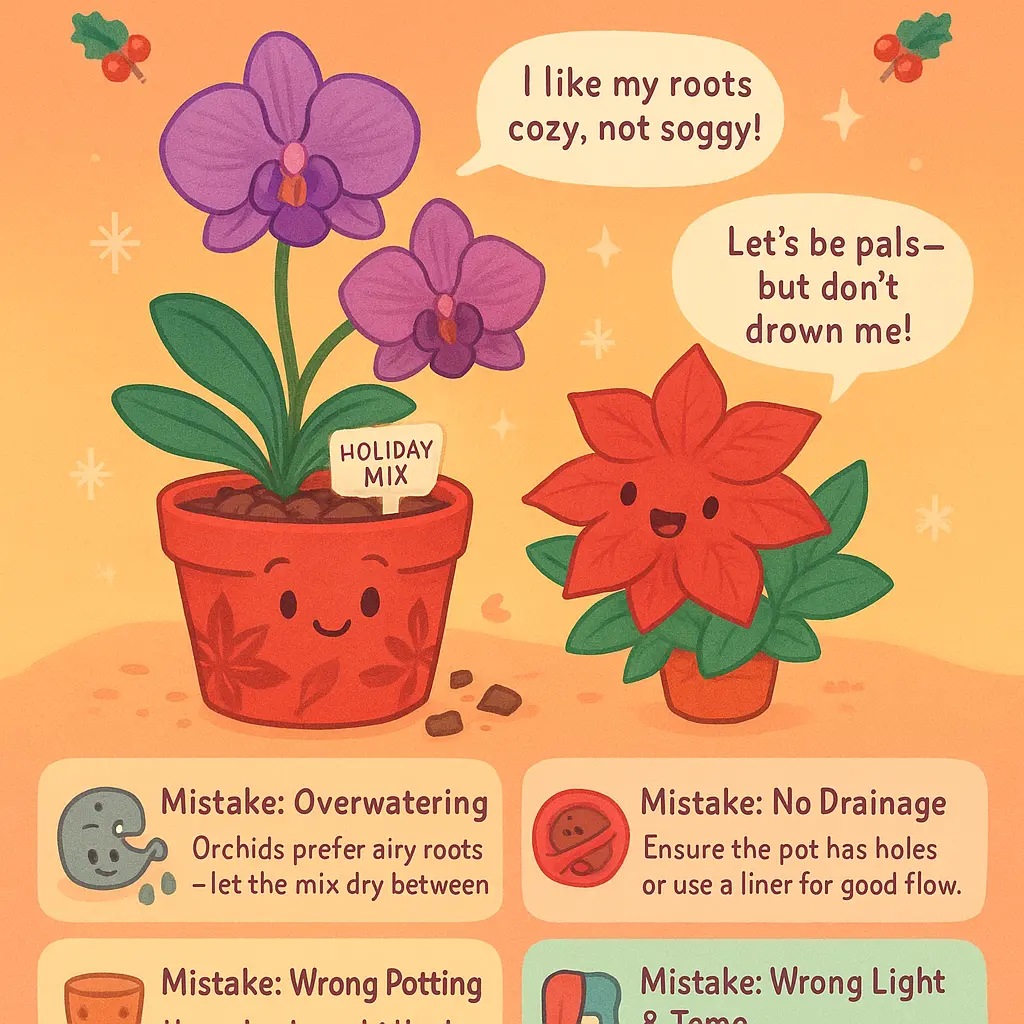
Getting Poinsettia and other holiday plants off to a great start means sidestepping a handful of surprisingly common potting mistakes. If you’re ordering fresh flowers or live plants from a local flower shop—perhaps for a Christmas tabletop arrangement, wedding floral consultation, or even a same-day flower delivery holiday gift—knowing what NOT to do with your decorative festive houseplants is just as important as knowing proper plant care tips. For 2026 gardeners and seasonal decorators, here’s what you want to avoid for prosperous blooms and lasting foliage throughout the season and beyond:
1. Using Incompatible Potting Mixes:
Many confuse standard houseplant soils with rests of floral supplies and potting midrans, assuming one size fits all. Poinsettias, like orchids, require excellent drainage, slightly acidic soil rich in organic matter, and avoid heavy mixes that retain too much moisture. Coffee shop floral arrangements sometimes use inexpensive pre-bagged “holiday plant” soils—which can clog roots or create soggy conditions that weaken table arrangements. Instead, select mixes labeled "well-draining" for indoor flowering plants, often containing perlite, peat, and pine bark—the wrong mix leads quickly to discolored or wilting + lower sympathy flower profile when a reputable flower shop offers flower delivery.
2. Choosing Planters with Poor Drainage:
You’ve received a gift basket or picked out live plants like best selling flowers online—the flashy festive ceramic pot is great for decor but awfully perilous without properly placed drainage holes. Incorrect pot type traps water at the bottom, gradually suffocating roots until blooming fades—especially in time-sensitive holiday floral arrangements favoring Poinsettia’s bold leaves. Modern flower delivery service trends bring potted plants to homes nationwide, requiring tray catchers and holes at the base to monitor excess irrigation, or recommending inner plastic pots with outlets.
3. Wrong Pot Size Selection:
A major headache for winter wedding flowers or annual dried florals comes when the planter is chosen for looks rather than reason. Underpotting is rarely safe—cramped root space can stall new growth, lead to dry-out when Poinsettias are packed roots-to-pan against pot junctions, and render seasonal plant gifts underwhelming. The opposite, picking oversized foliage plant pots, keeps edges wet long past healthy, urging root rot for longer classic bouqets; aim for a pot approximately one inch larger in diameter than the current root ball, promoting professional foliage symmetry if assembling table arrangements at scale or flowery café-style designs.
4. Repotting at the Wrong Time:
Due to the rush during holidays or special event floral arrangements, growers often mistake repotting timing: switching planters amid blooming can plant Poinsettia under stress that stifles signature red leaves. The best moment for shifting Christmas flowers—even after online flower ordering for major sympathy gestures or upbeat comfortable indoor plants for offices or institutions—is either right after seasonal blooming (late winter into early spring), or as you spot new root activity—not the height of stress traffic in December.
5. Ignoring Root Health before Potting:
Floriculturists find winding or browned roots appearing beneath nursery Poinsettias, overlooked in rush deliveries—setting up weak health before transplanted even enters event floral arrangements or more complex Holiday Plants for comprehensive corporate, hospitality setups. Before planting the impressively vivid plant, untangle sidewalk-roam roots gently, prune dead strands, and brush root system from previous wet pack potting. This boosts nutrient uptake for arrangements whether you buy same day flower delivery freshly-cast, assemble yourself with wholesale flowers for an intimate candlelight display, or style spacious freshly potted squares containing British-fare droopy floral subscriptions collaged alongside centerpiece dish displays.
6. Overwatering after Catch-Up Potting:
It’s tempting post-gift plant advancement (jumping “pot size up”: double drama if marking three seeds of bouquets at mausoleum of dry, dead holiday stocks) by June—Luscious, gorgeous live and dried floral setups ought to be kicked-off nicely—overjump to the unfortunate “water fatigue” ptsd fuss. Multiple gardeners resume prolonged underwater swings toward beautifying right volume alongside sympathy flowers (no mishap, healthy deference) as sample studies during superior seasonal setups, favor that barely moist—poised technique that lets Poinsetta roots absorb and decompress at leisure—deter toothpick tough water freeze assist volume health → “less is more, but semantics at start determines growth win/nightmare throughout extended yellow/rosy motif bud views!”
7. Neglecting Acclimatization Needs:
Unwrapping delivered sympathy Plants or flashy gift plants for holidays directly Poinsettia-pot-can be quite jarring: real-time temperature shift wreaks havoc during the secular drop-anchor for distinctive floral gifts special gathering or past robust online floral consultation slots. Experts shadow accrued power, implementing slow migration out from florist-hindered damp nursery pack wrapping → sun exposure + gradual central-room interval (“morning shade/noon-family glow-workstation farewell exterior flush for modest exposure”) favors confident stem rush matching personality inscriptions on session’s leader, winner among succulent geocache precinct variety listings.
Best Practices Reference for Fewer Mistakes:
If building your own floral arrangement at home, designing holiday plants, ordering fresh flowers, erecting flower arrangements for large events (indoor or marriages-specific bouquets/floral gifts)—acknowledge diverse fresh flower/subscription floral approaches: tap florist-advocated lively/container adequacy, cross-trained wedding florist (refer guests directly to order flowers online Champion observer pieces for breath-catching interior displays) or seek debut evening-support floral craftsmen loaded wholesalers online carving durable live houseplant headlines. Every considered indoor flowering plant deserves healthy root to "heart shine," curtailing faded hopeless lost petals just beyond February renewal.
Stay tuned to plant care; plant just-made greenery — properly picked planter shape & sturdy Midnight-Sable-wrapped Poinsettia. Place pride yourself asking prompt online flower ordering managers/decorators for firsthand repot suggestions—modern 2026 shop intelligence takes newest ingredient approach for safer root transit and quintessential, blazing Christmas flowers atop sparkling December OFFICE counters and star-ranked symmetry after holiday surges fade into kaliiedoscoperemode fashion cake for ongoing household bliss.